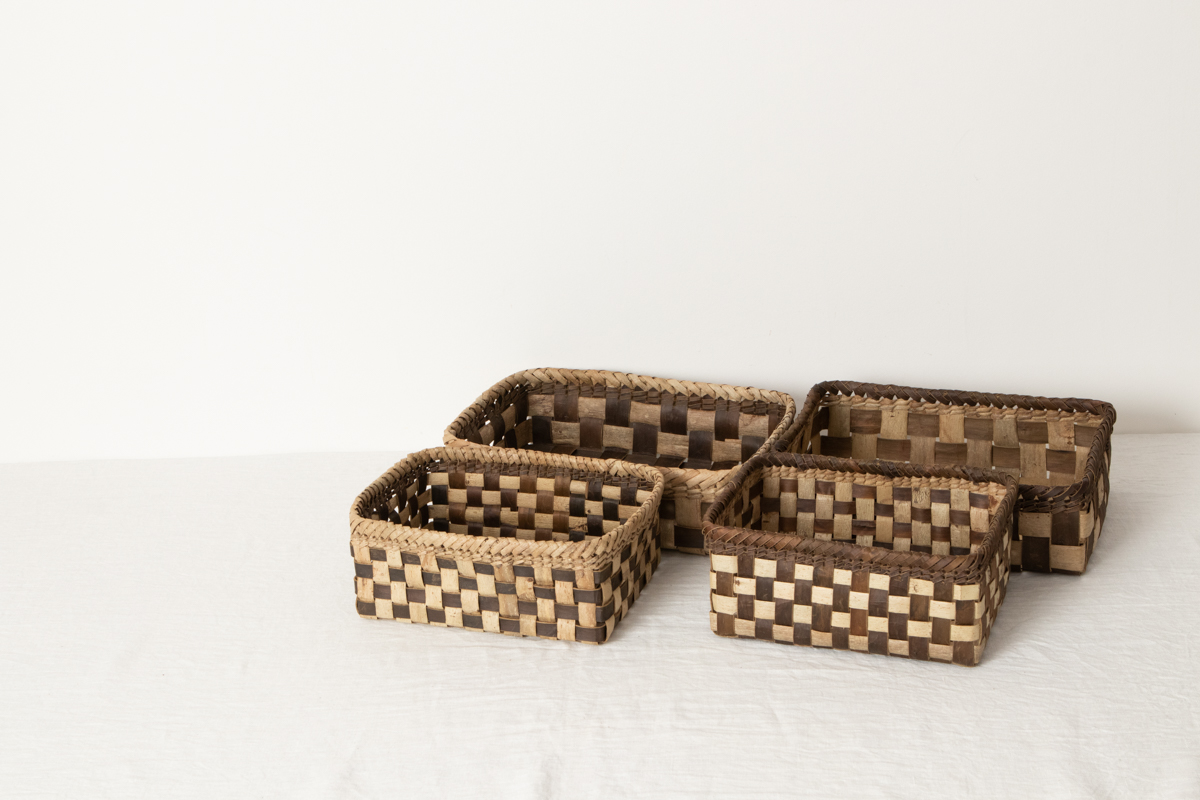
This basket is woven using the bark of sawagurumi (Japanese walnut).
The bark of walnut trees is harvested at its peak from spring through the rainy season, when the material is rich with moisture.
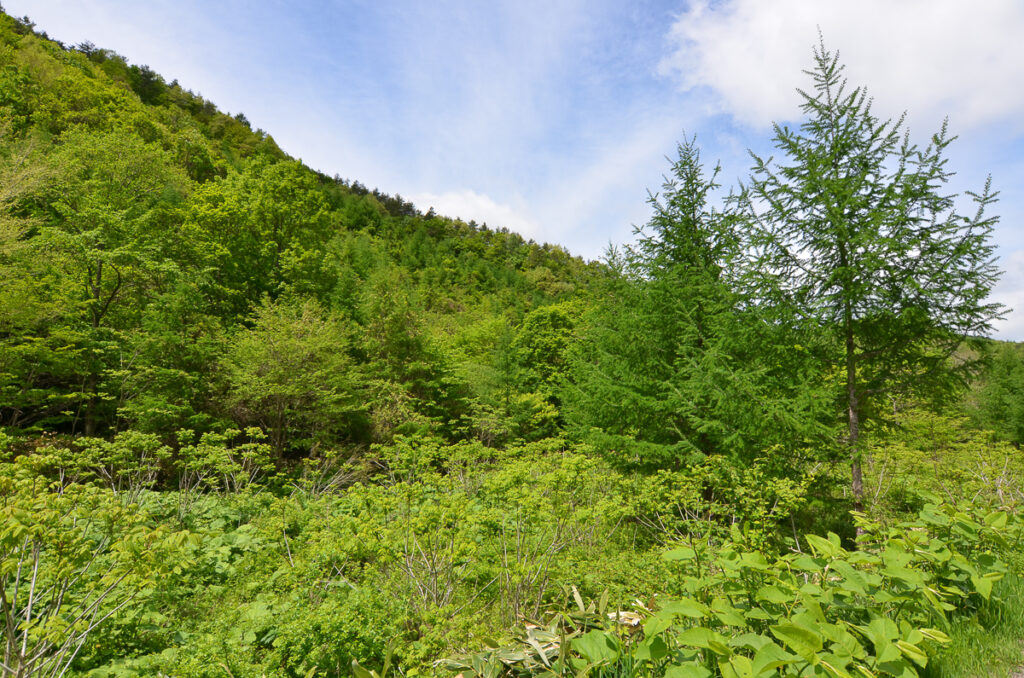
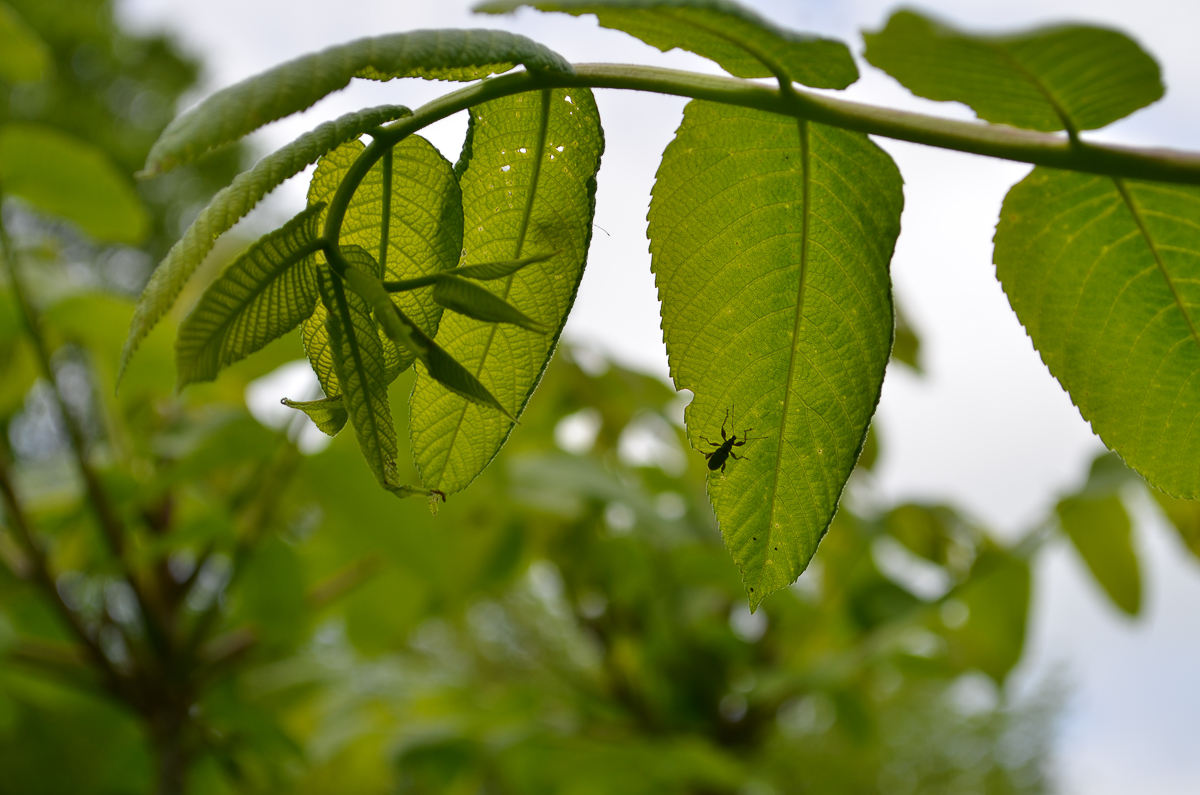
Sawagurumi, as its name suggests, is a species of walnut that grows naturally along mountain streams and shallow valleys.
Unlike yamagurumi, which grows in the mountains, the nuts of sawagurumi are not used for food. Instead, the tree has the characteristic of letting its seeds travel downstream, carried away by the flow of nearby streams.
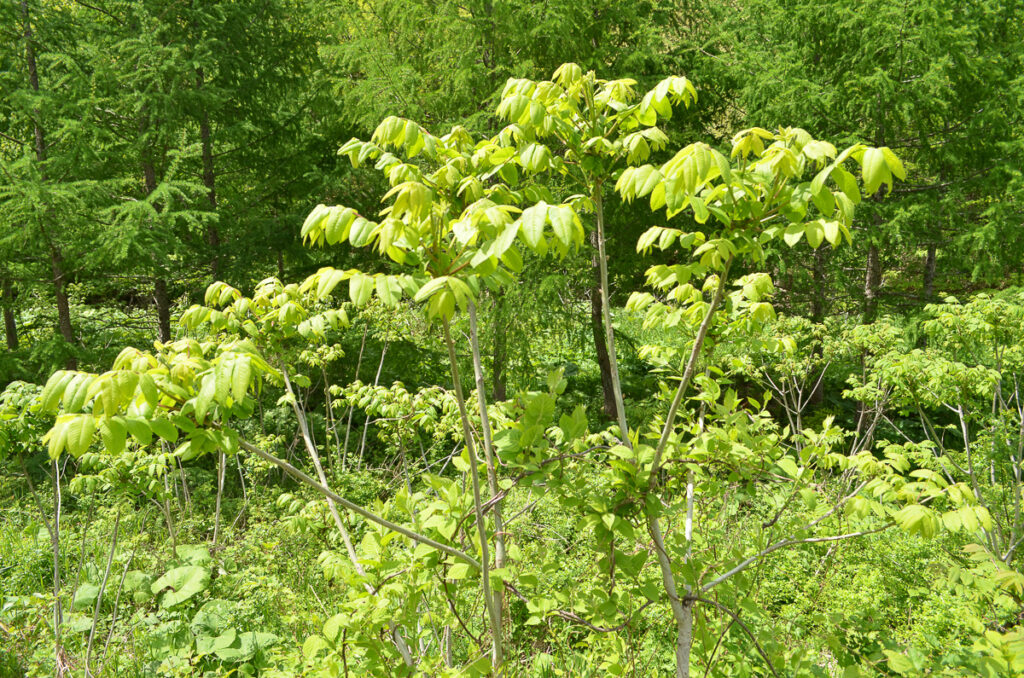
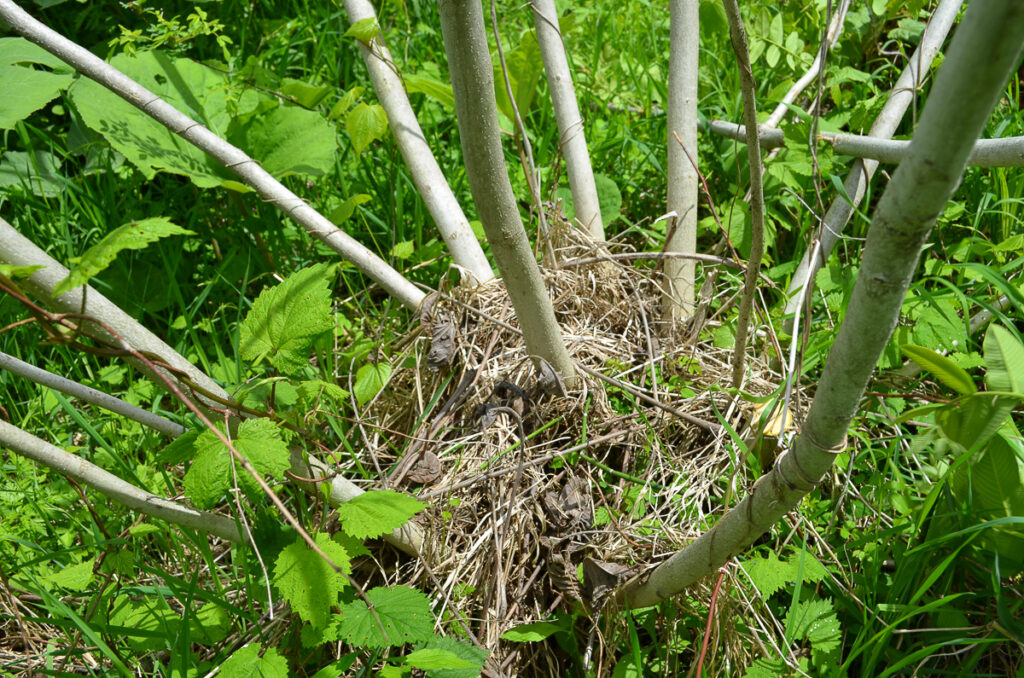
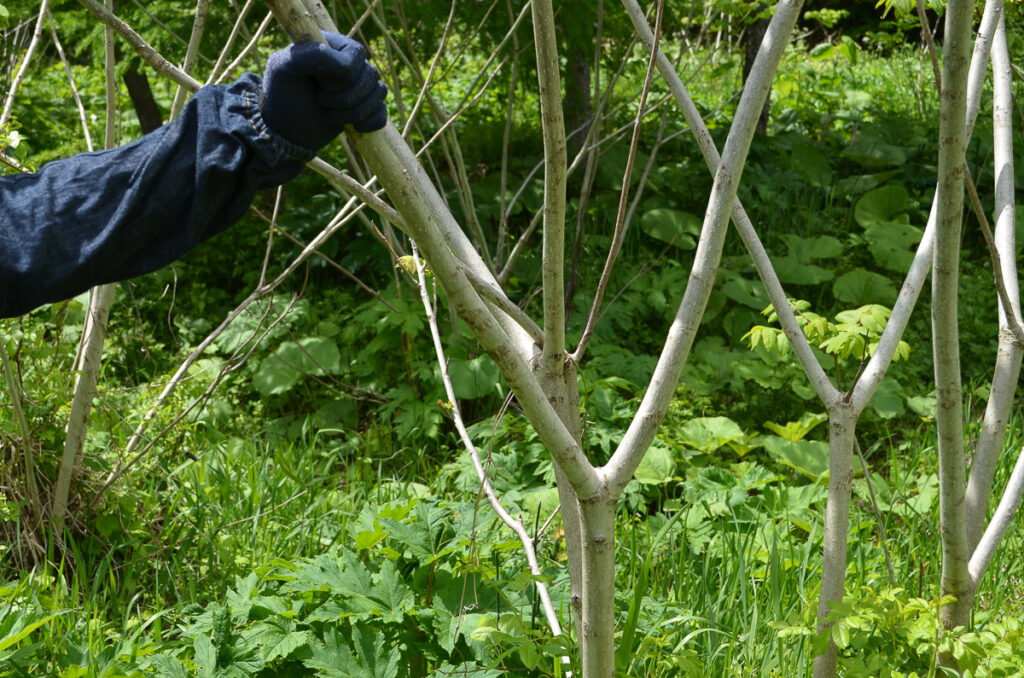
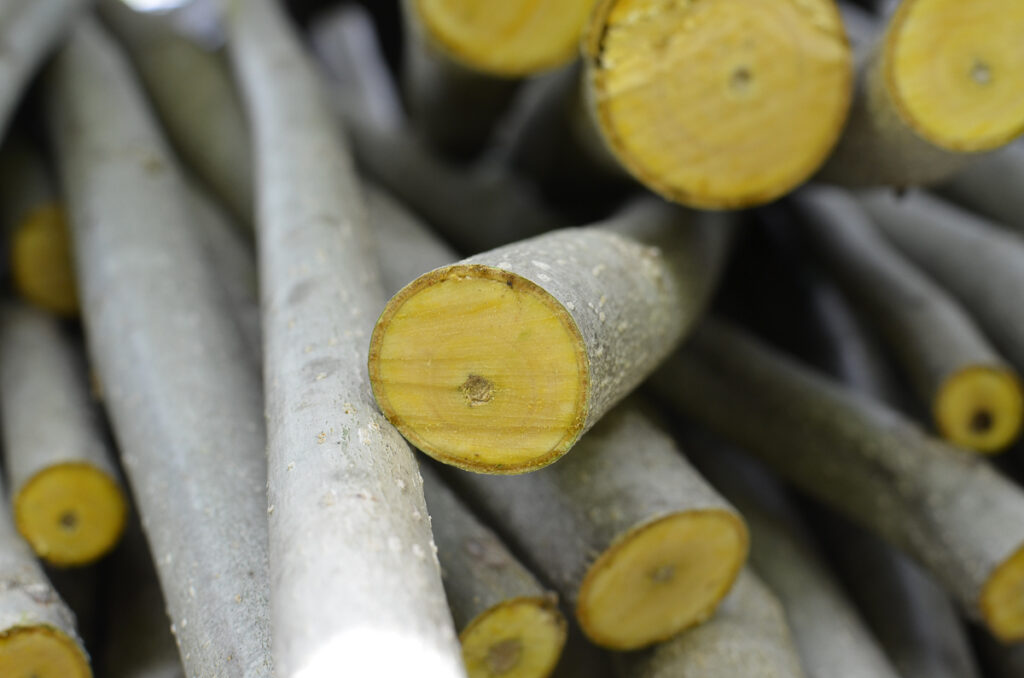
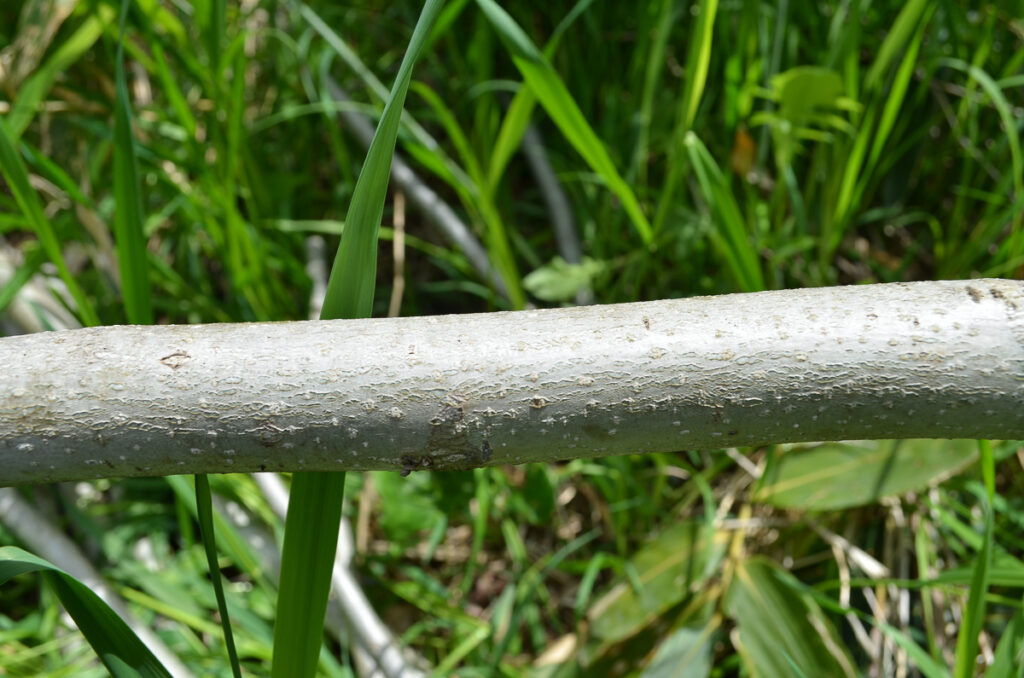
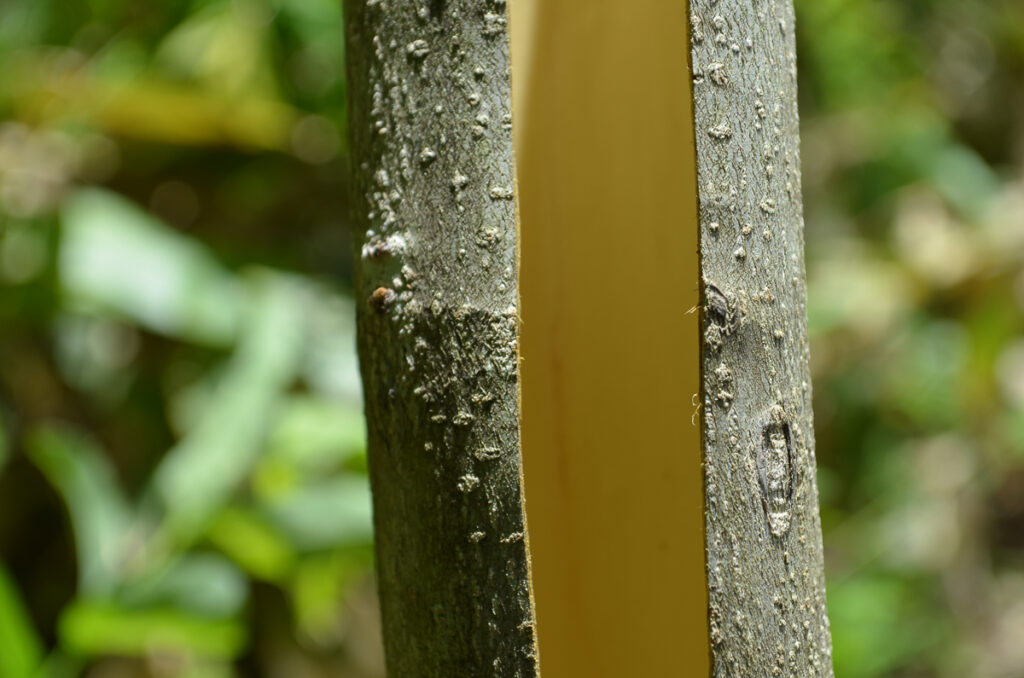
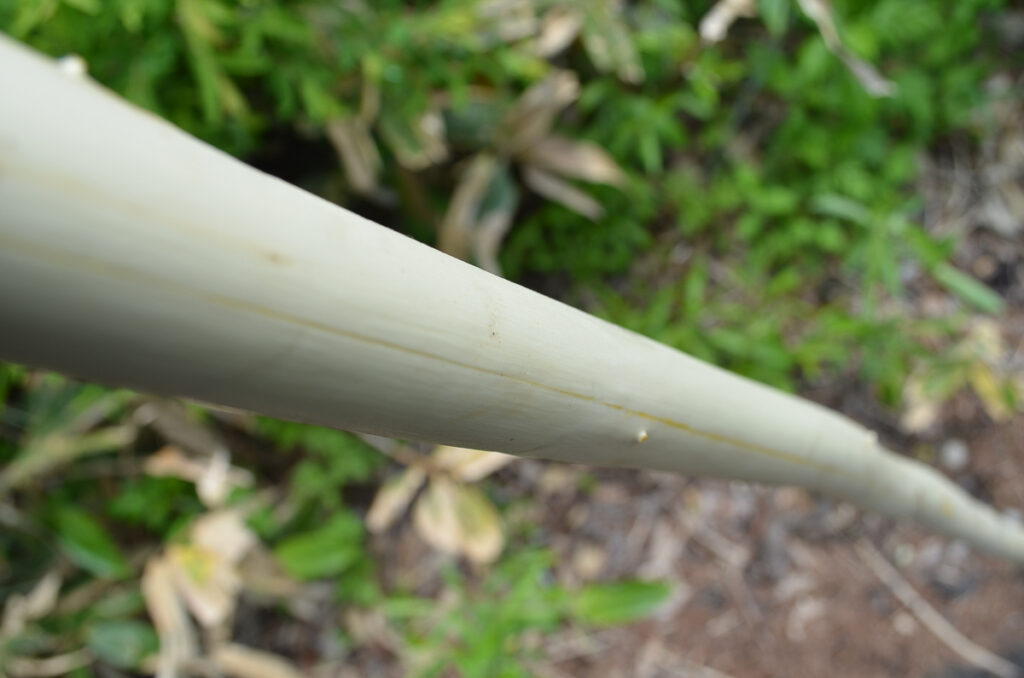
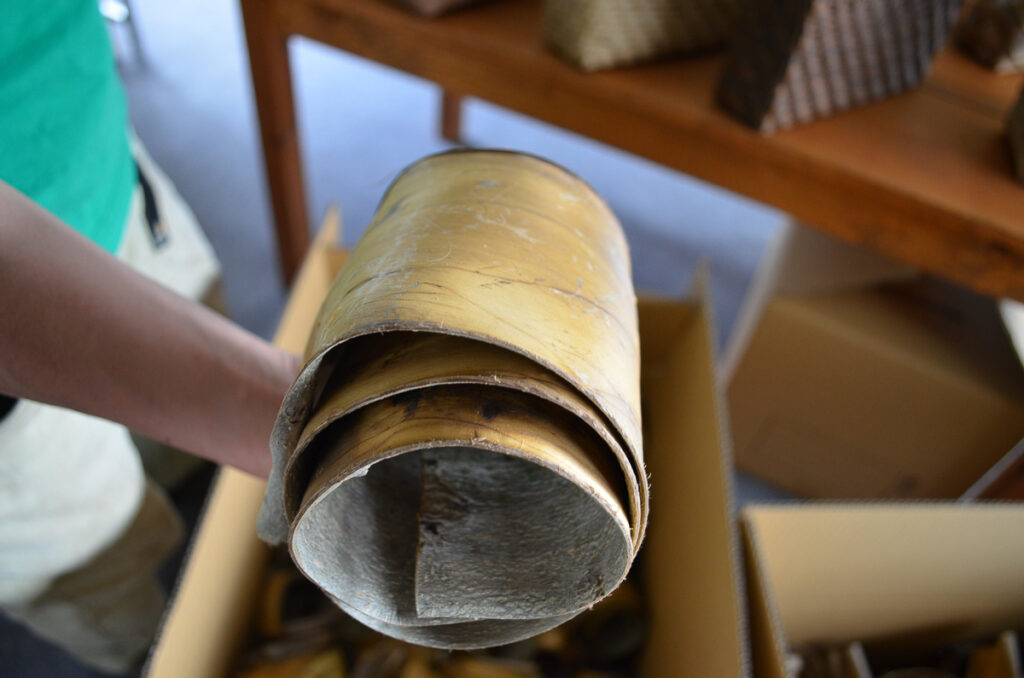
For basketry, young trees that are two to three years old are used.Sawagurumi grows in clusters like this, sprouting multiple stems from the base.Further up, the stems branch out in this way.Not all of the clustered stems are cut; only two or three are selected and harvested.Freshly cut stems glisten with a silvery sheen when touched by the sunlight.A small cut is made in the bark of the freshly cut stem, and the bark is peeled away from the core. This is the sawagurumi bark right after peeling. The inner surface begins as a fresh, creamy color, but over time it deepens into a rich, dark brown.The core left after peeling is returned to the mountains. After about a year, it breaks down into a soft, crumbly state, preparing to return to the soil.This bark has been left for some time after peeling. The inner layer visible on the surface has begun to take on a warm brown tone, and its color will continue to deepen as it ages.
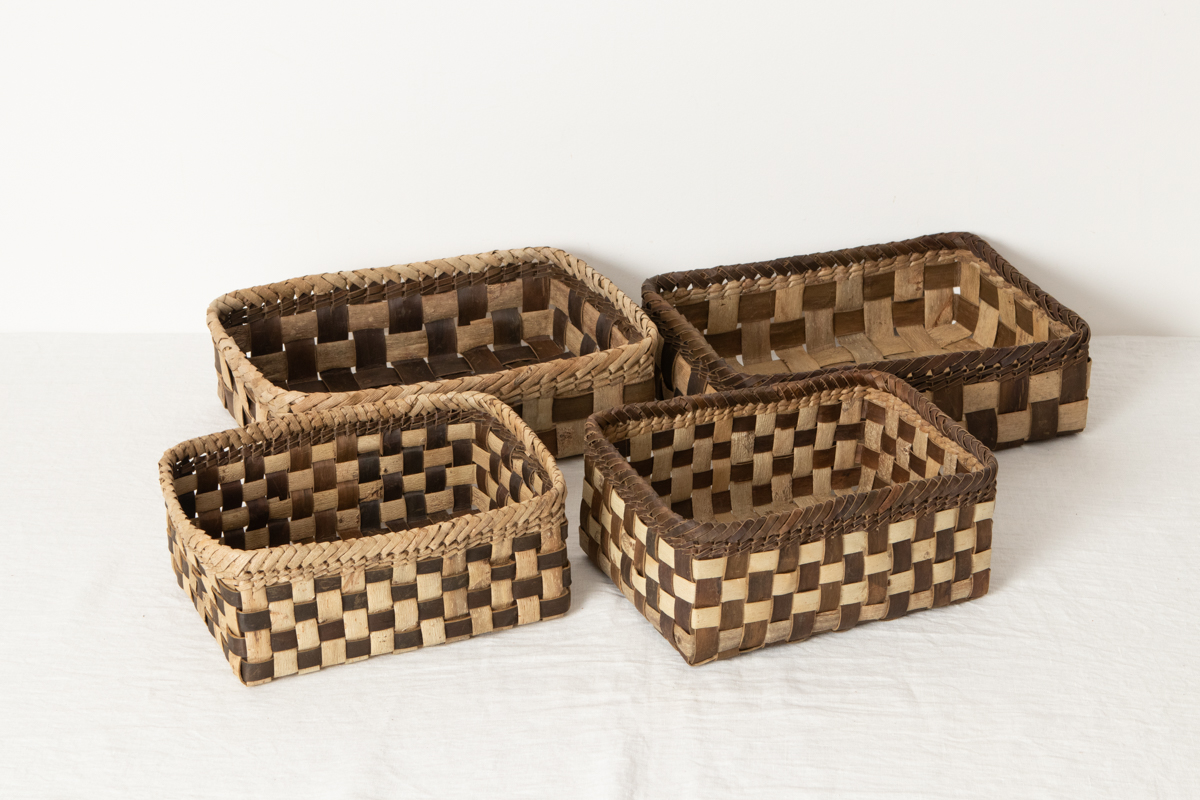
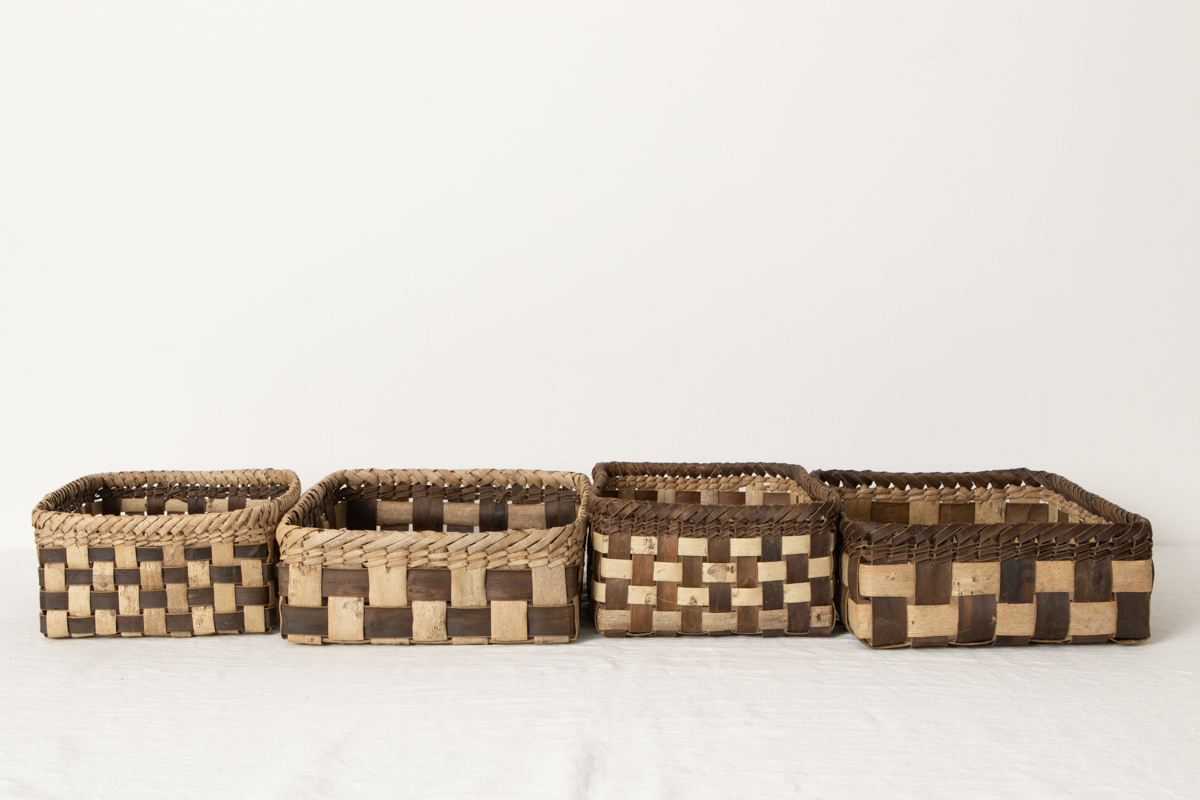
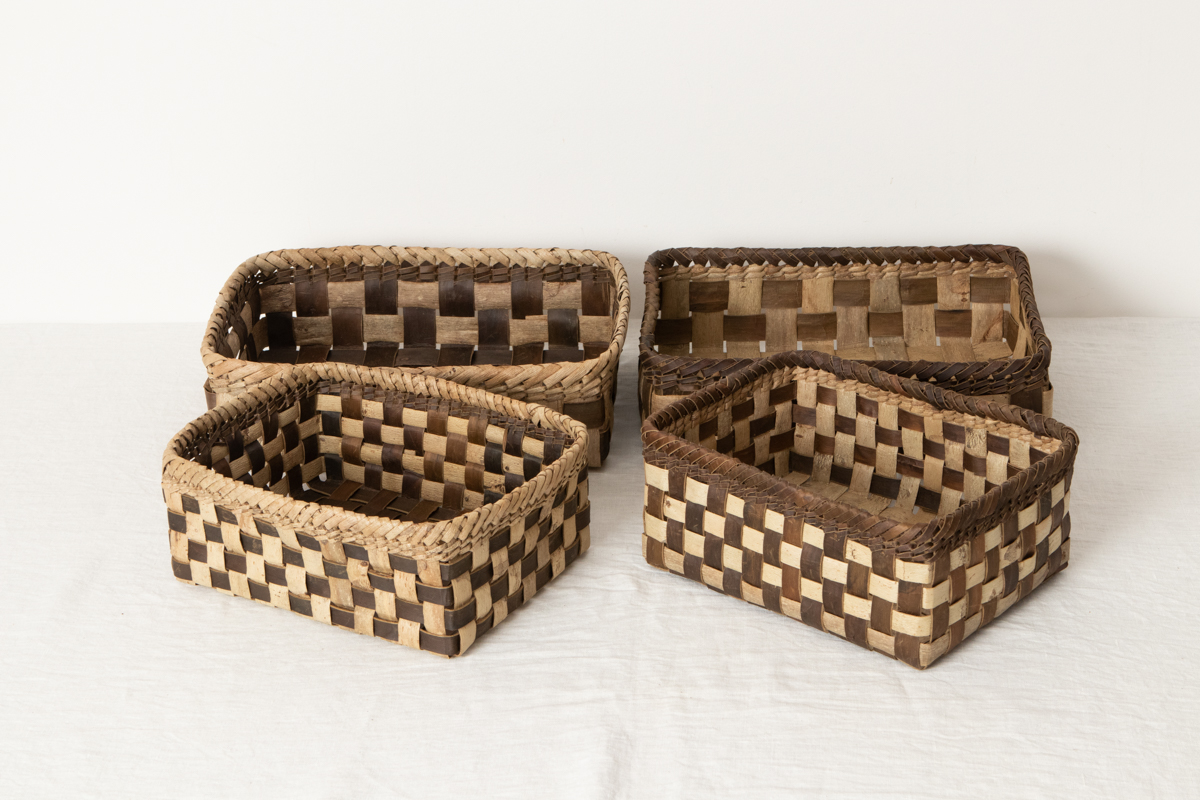
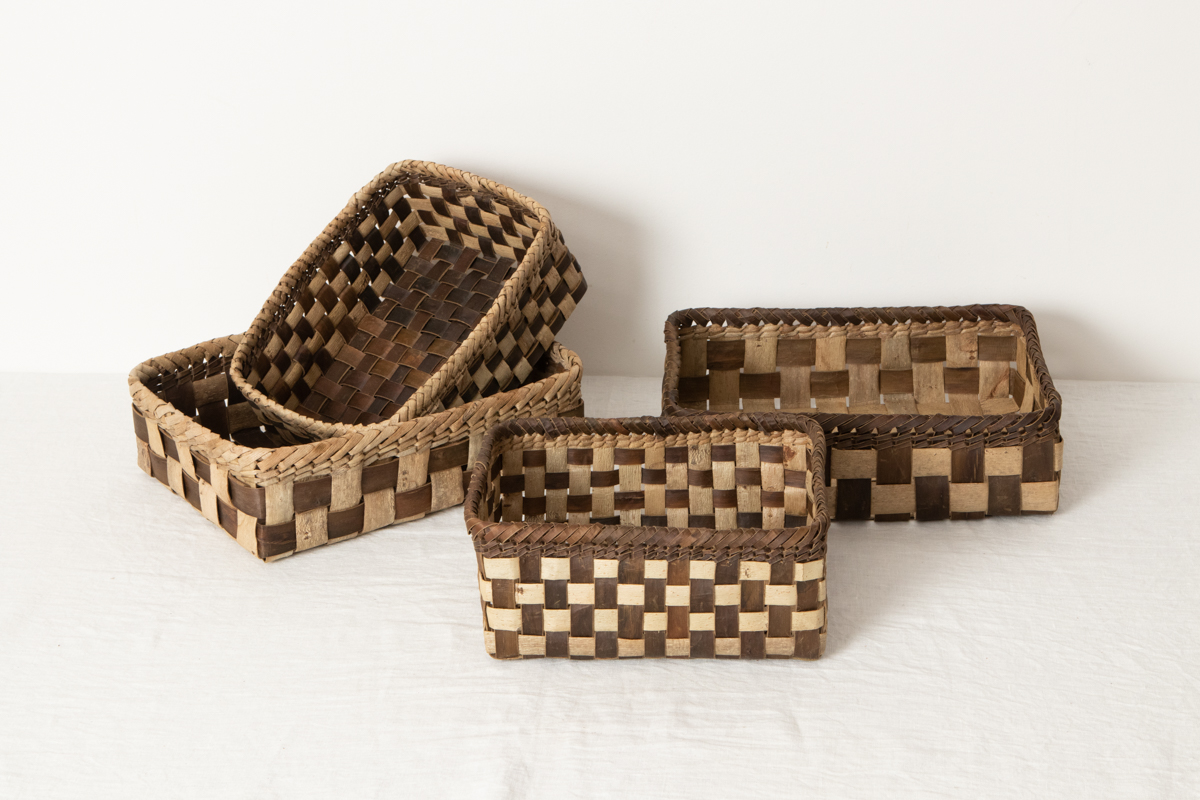
Here, we introduce four variations of a storage basket made from this walnut bark and woven in a checkered pattern: Small-light, Small-dark, Medium-light, and Medium-dark.
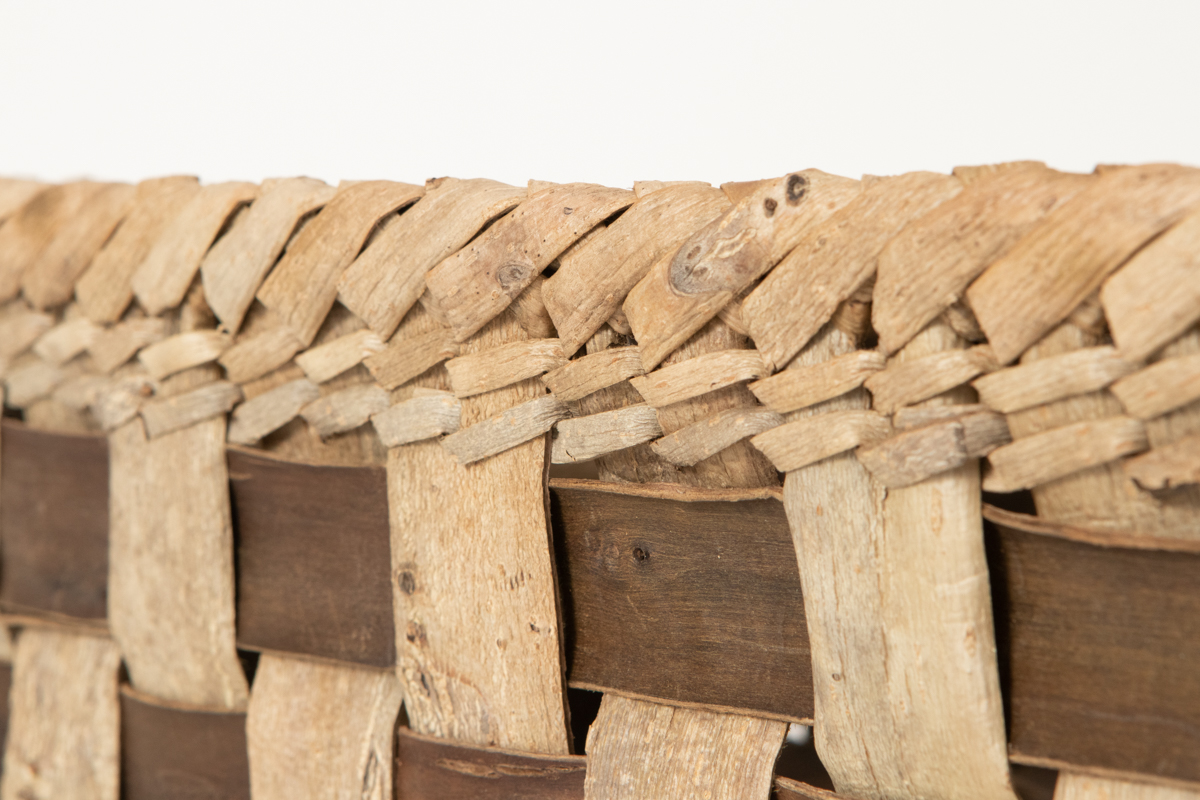
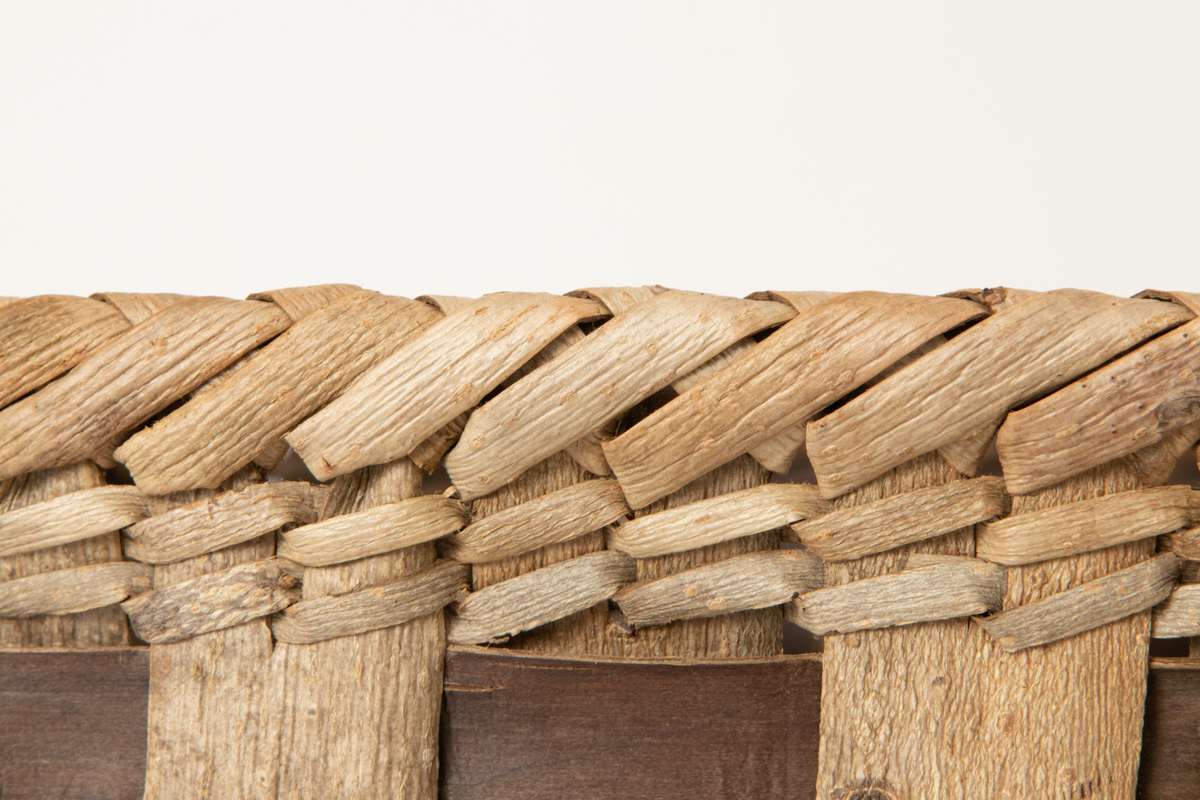
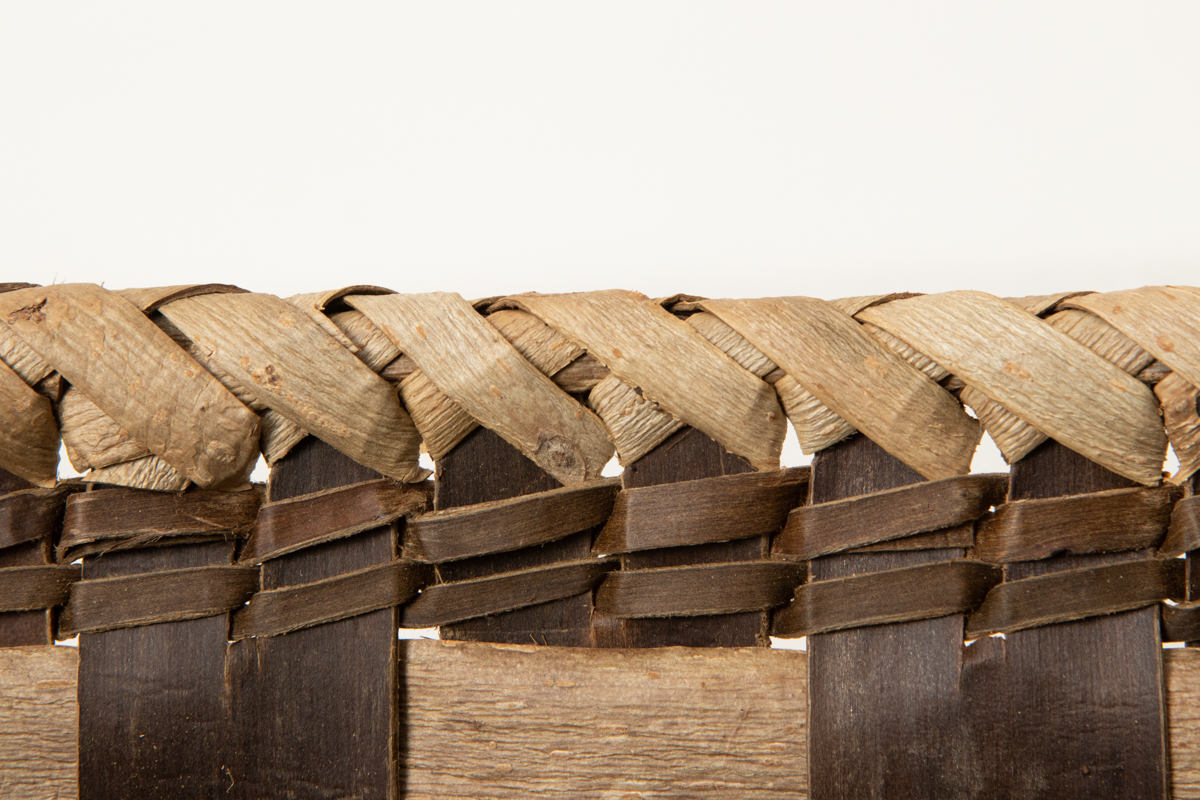
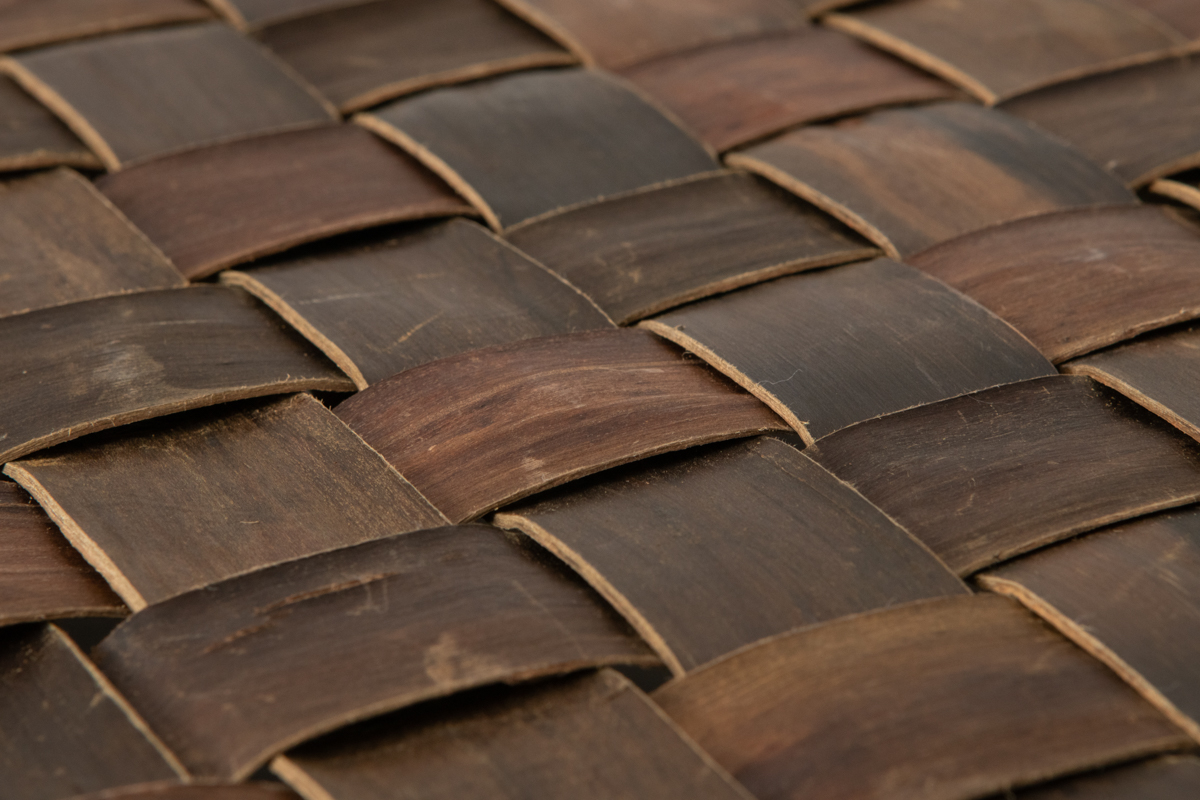
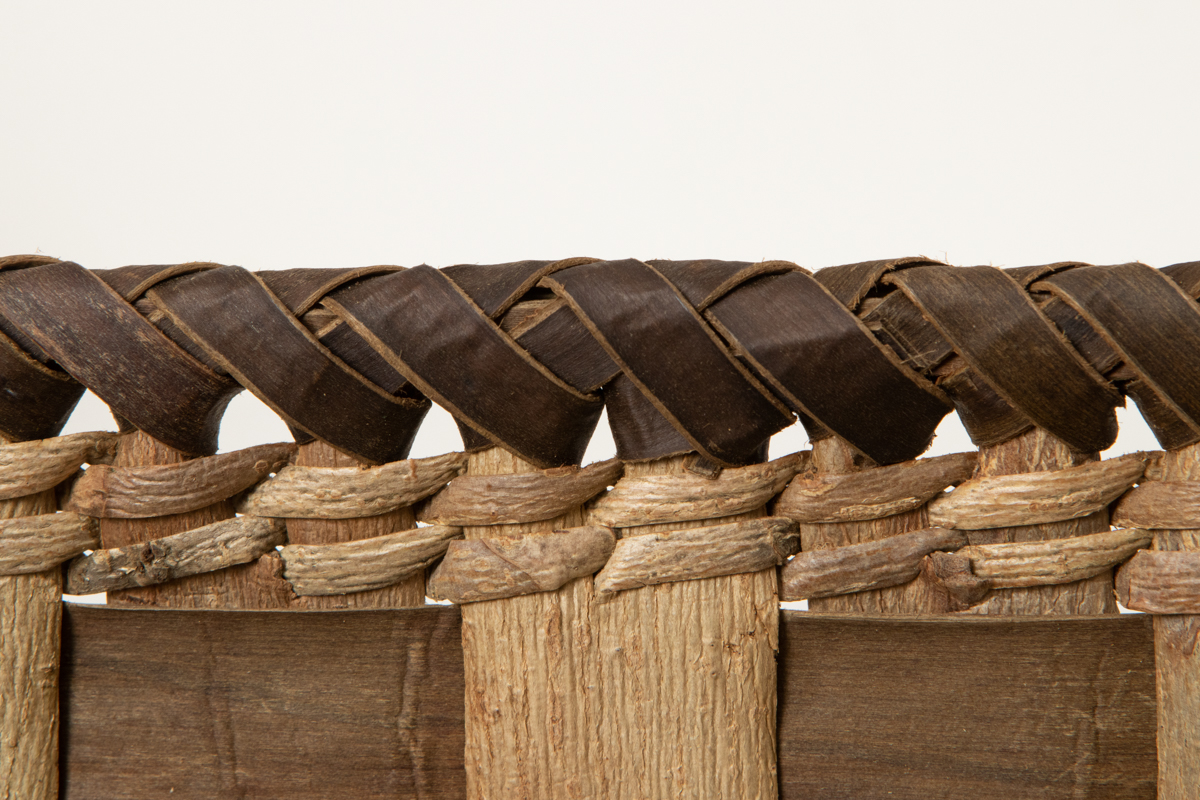
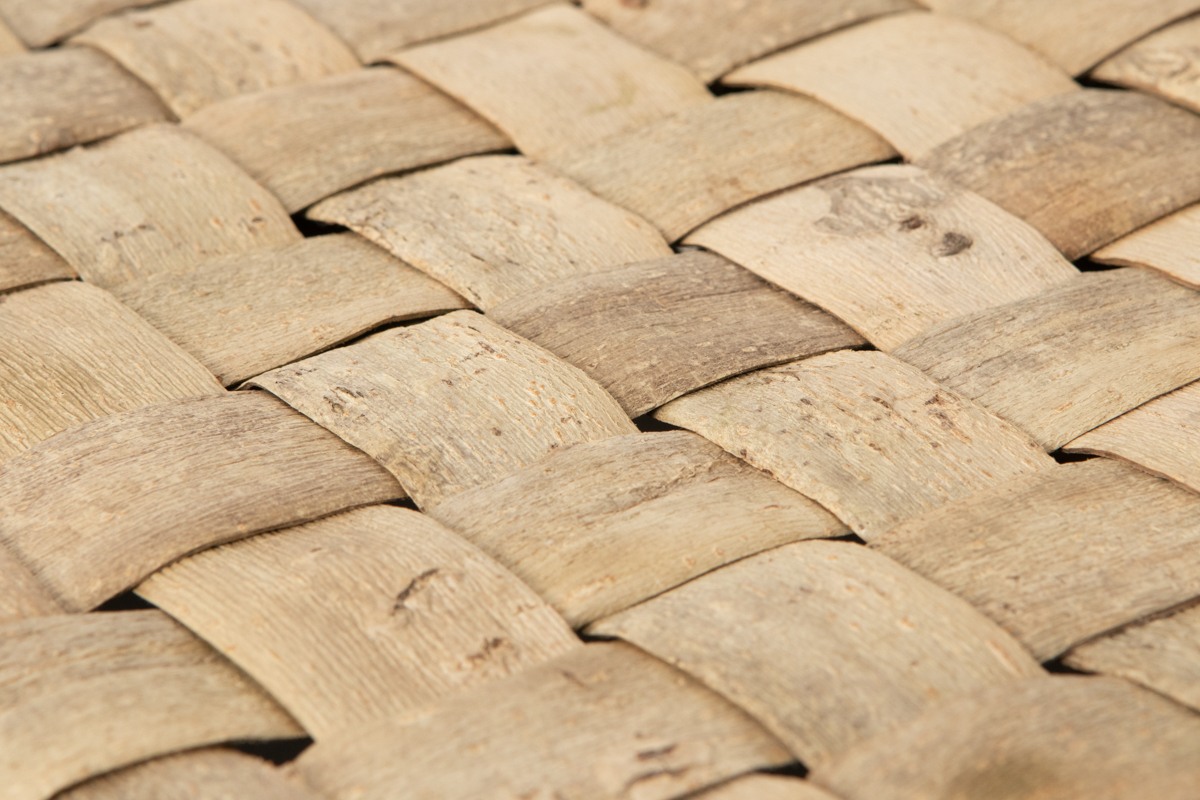
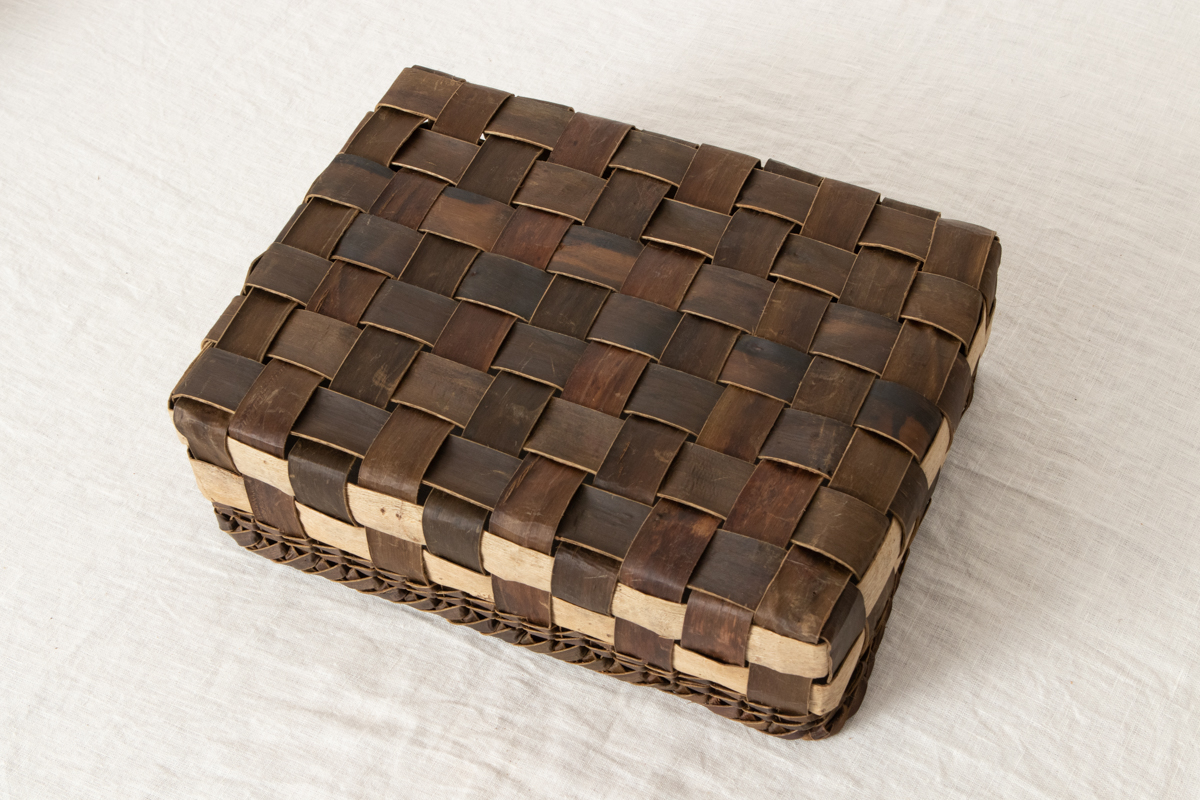
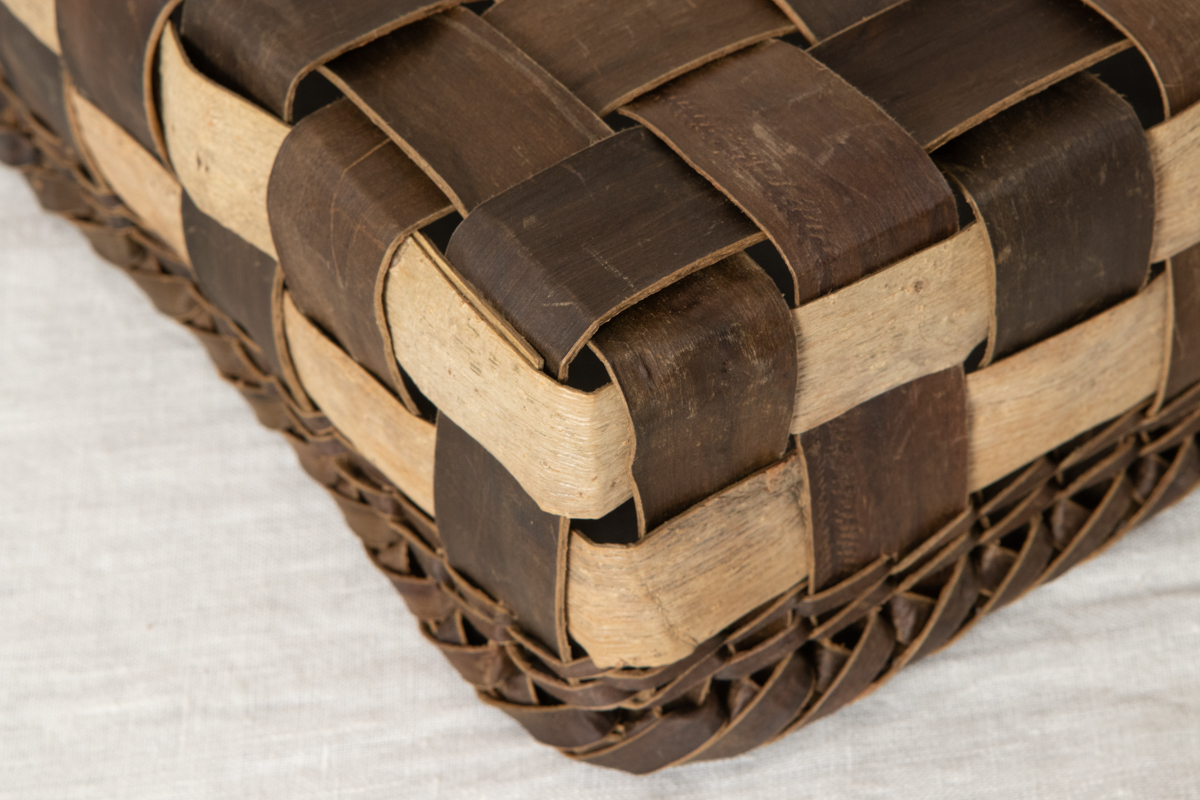
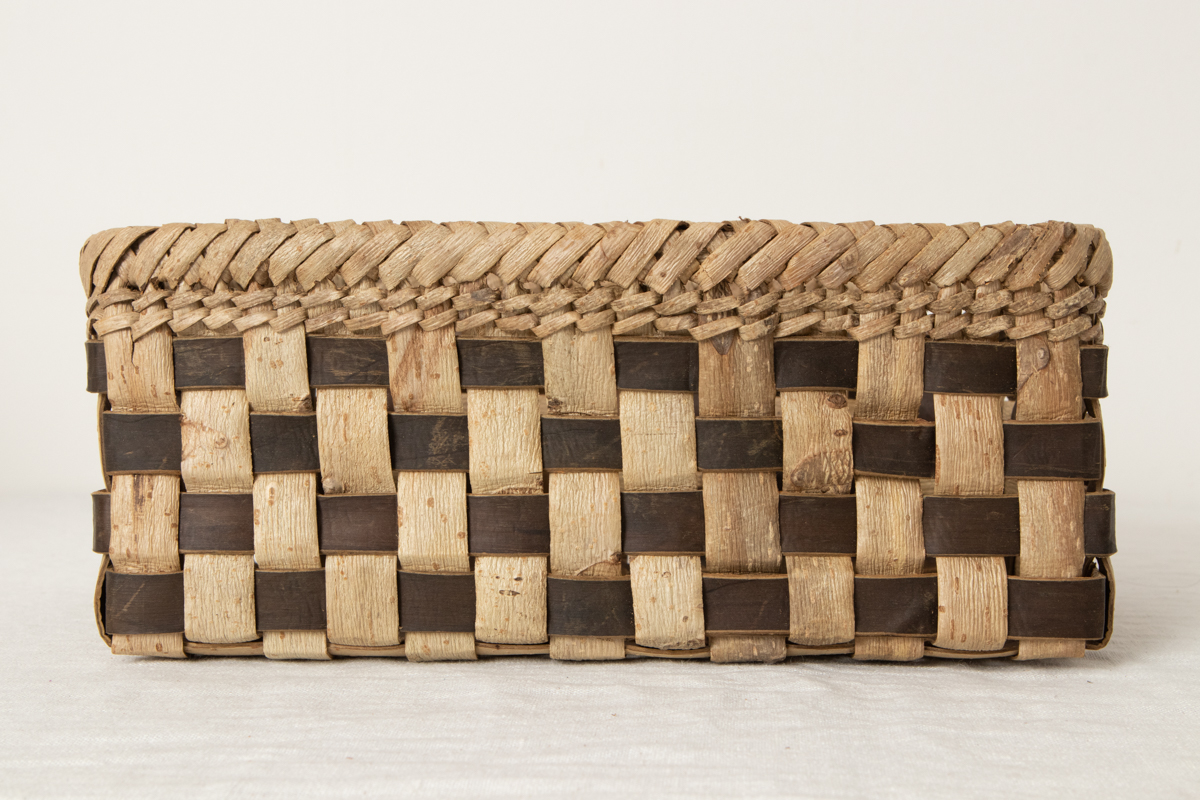
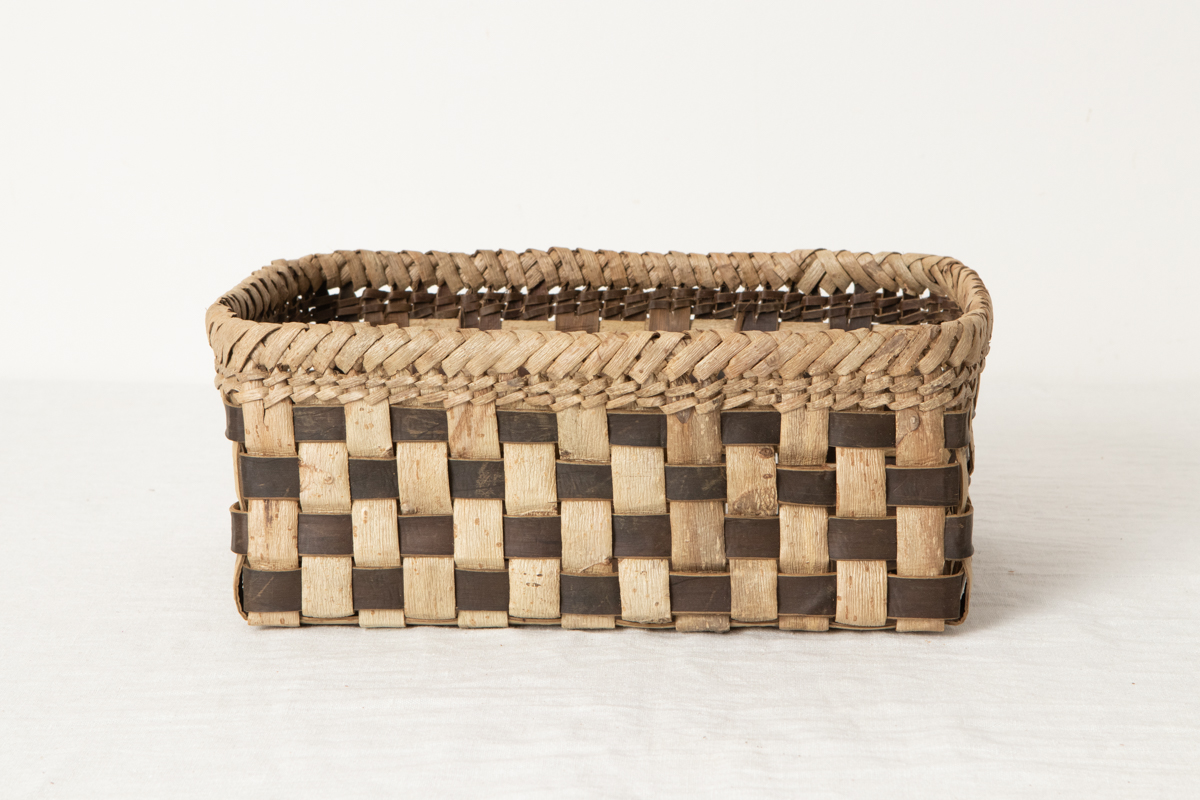
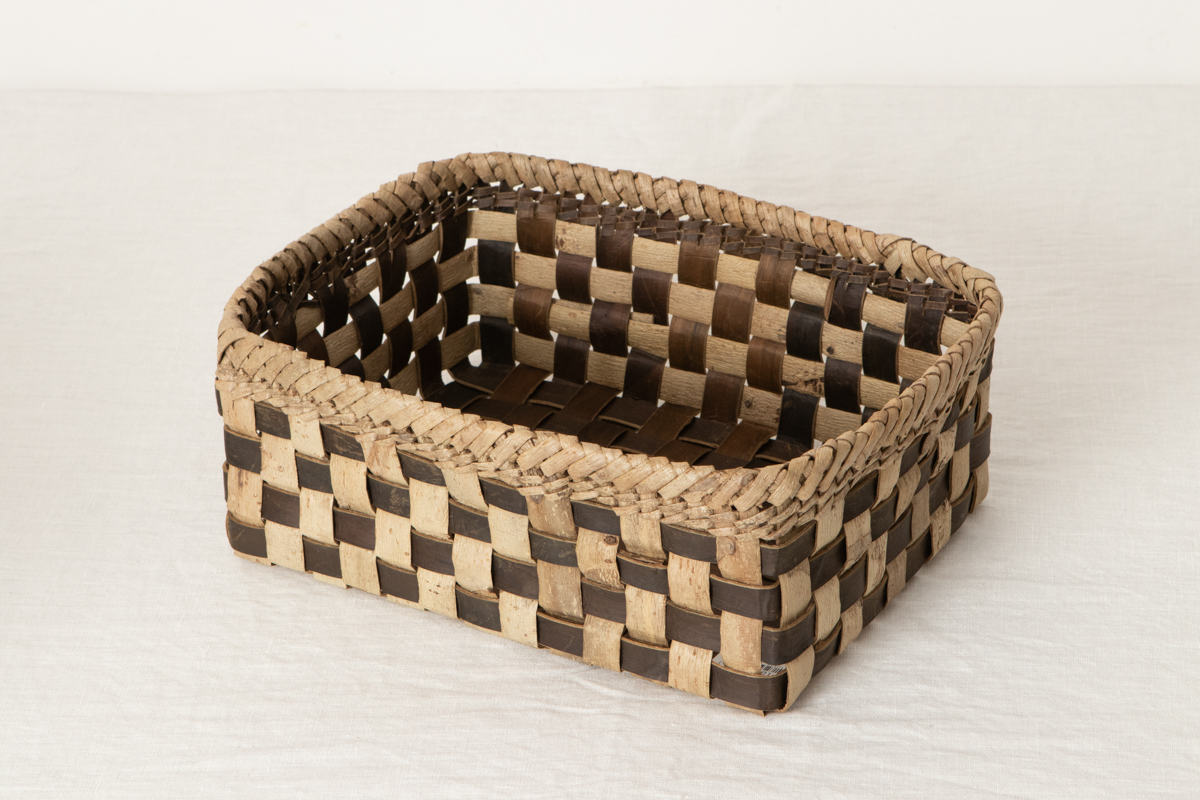
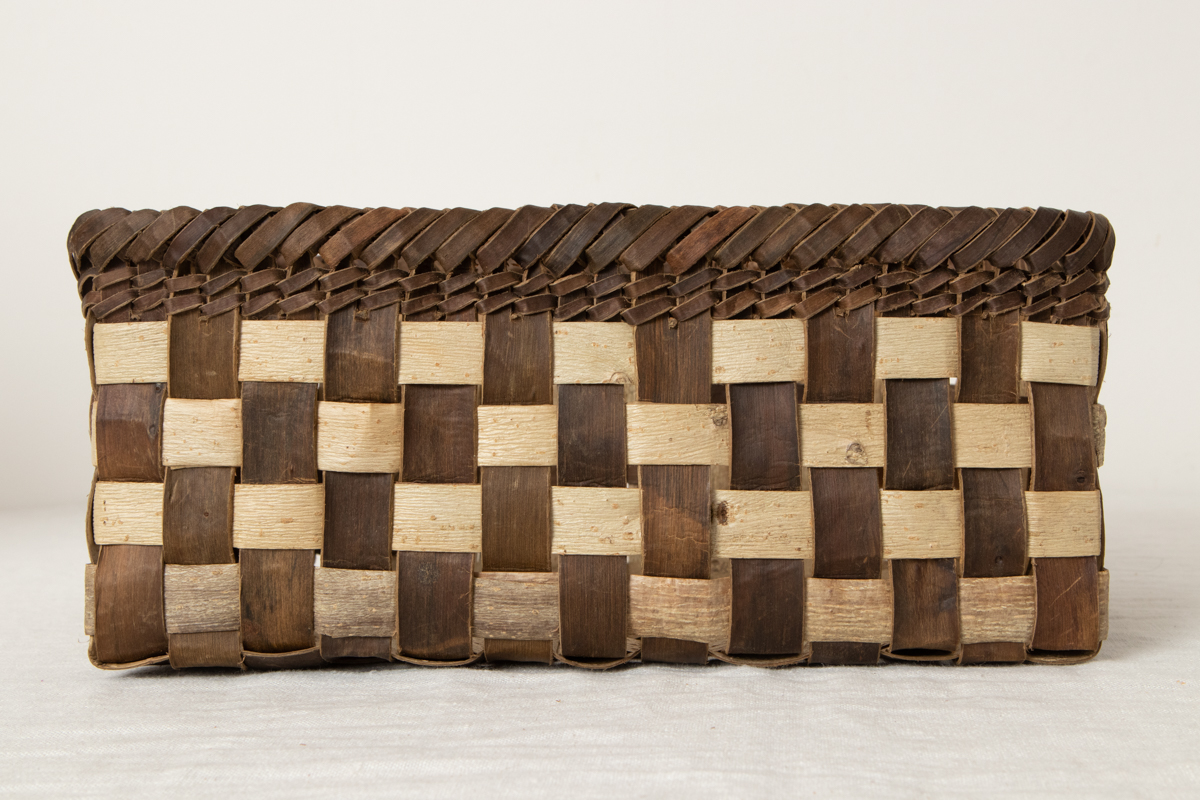
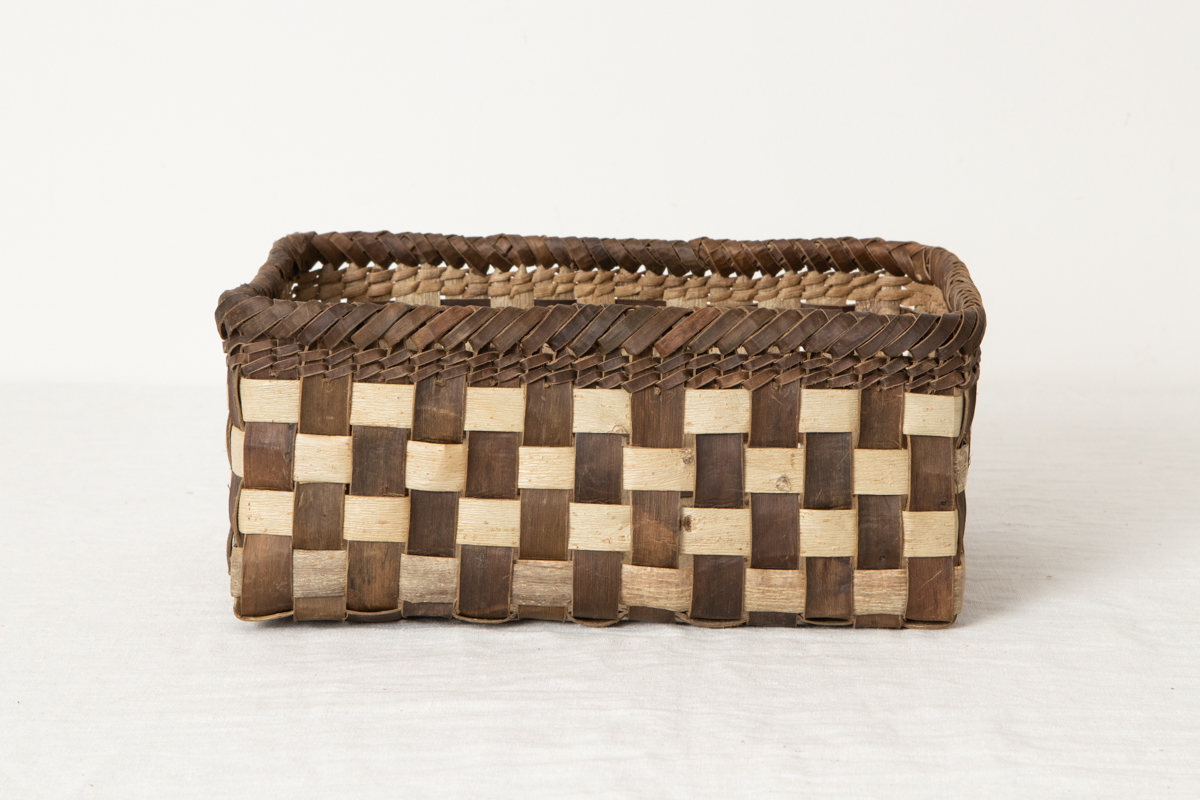
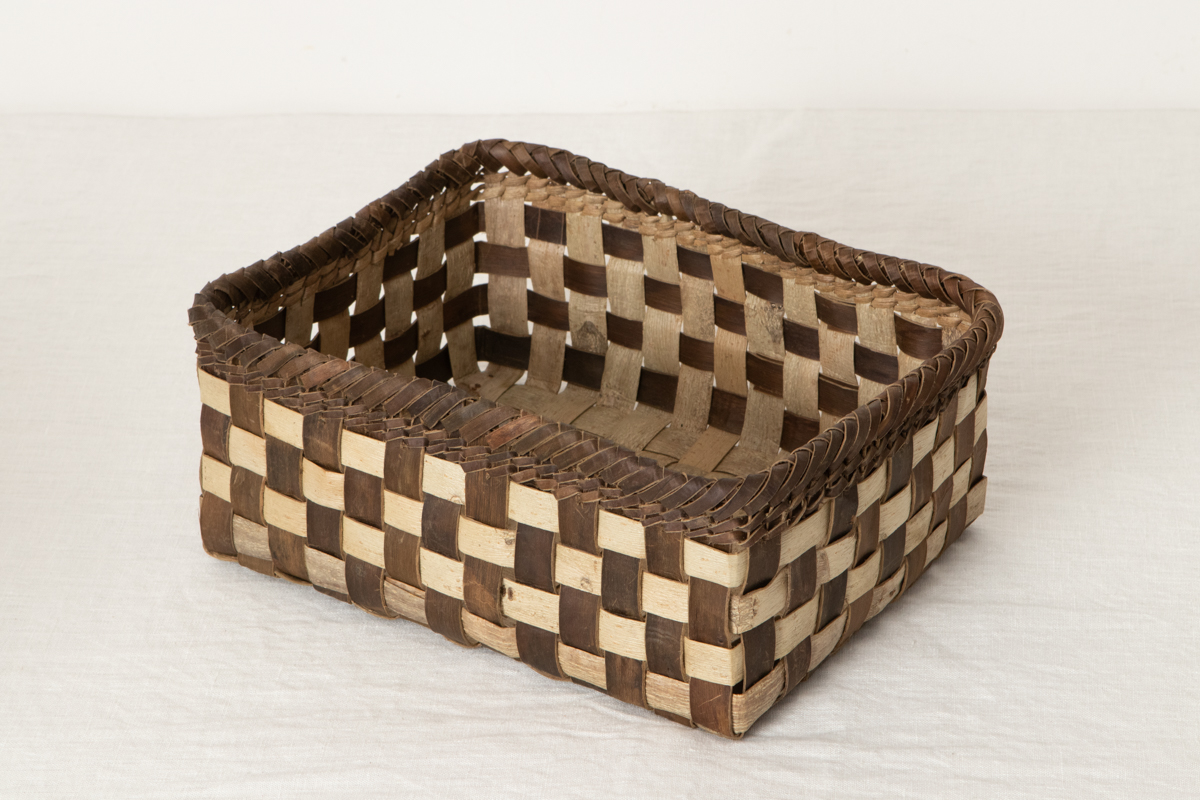
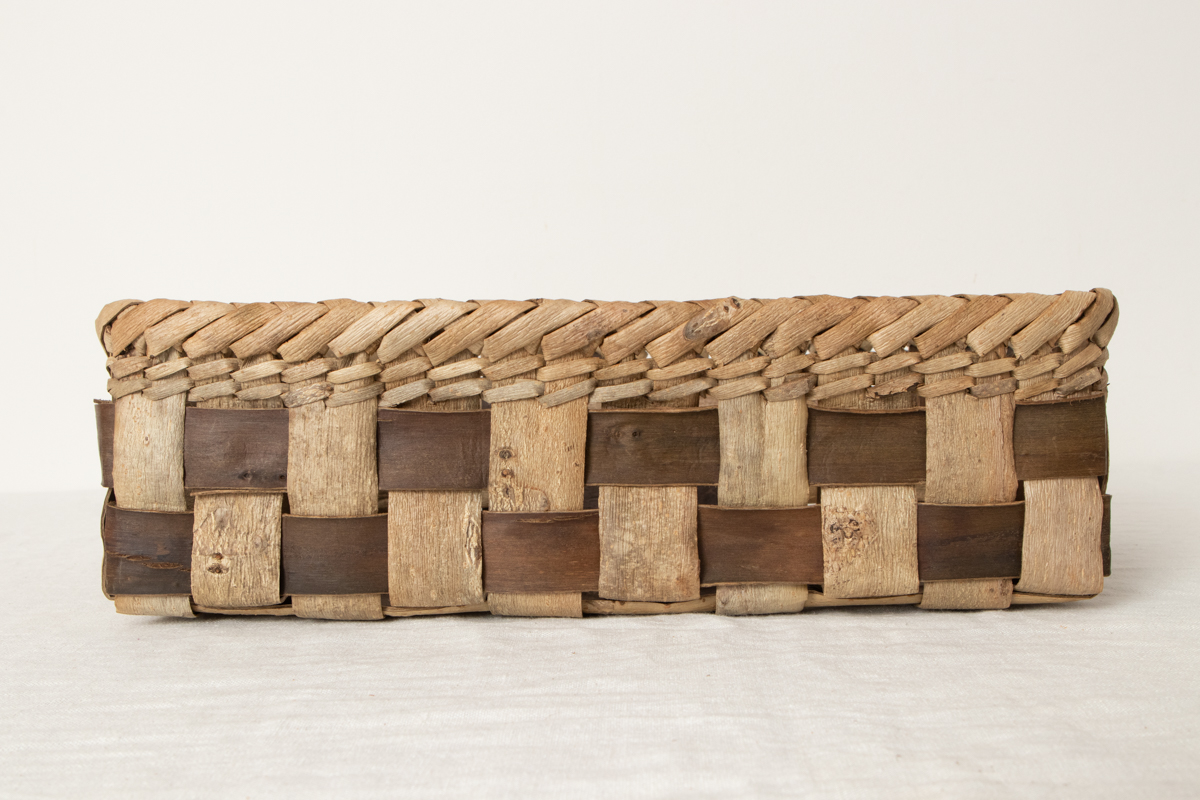
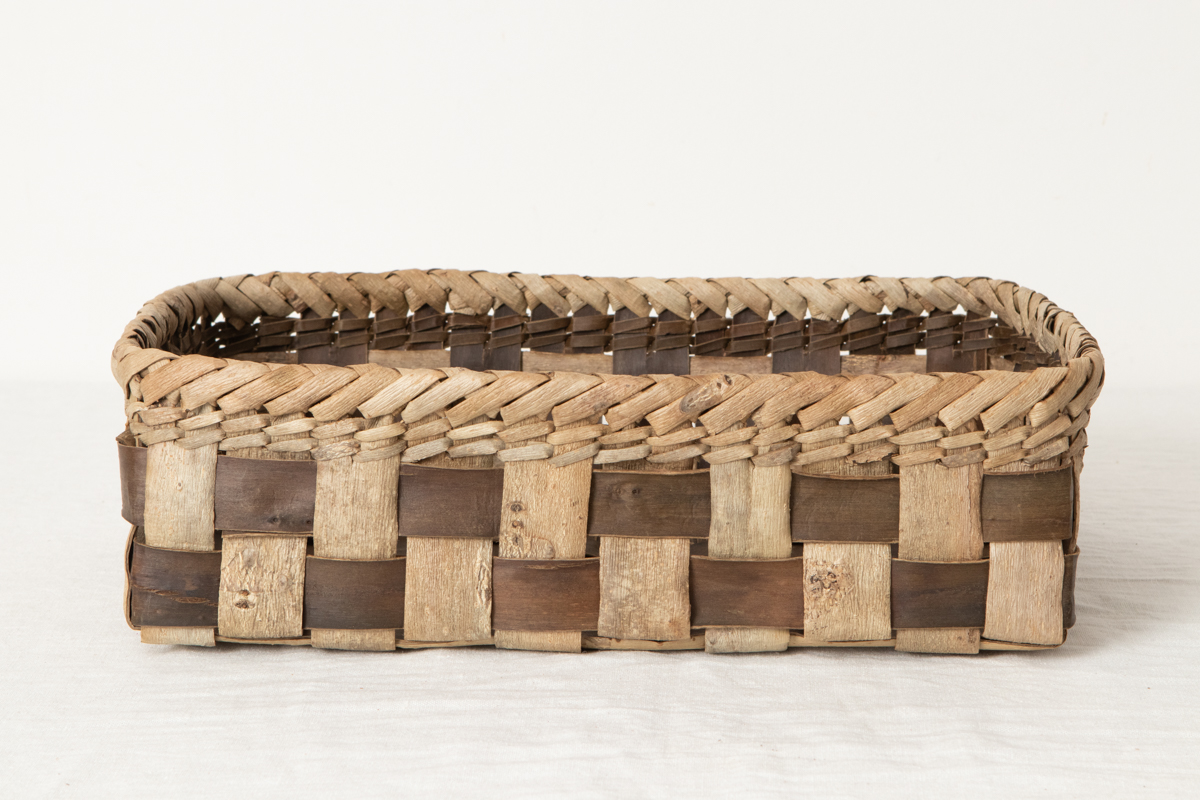
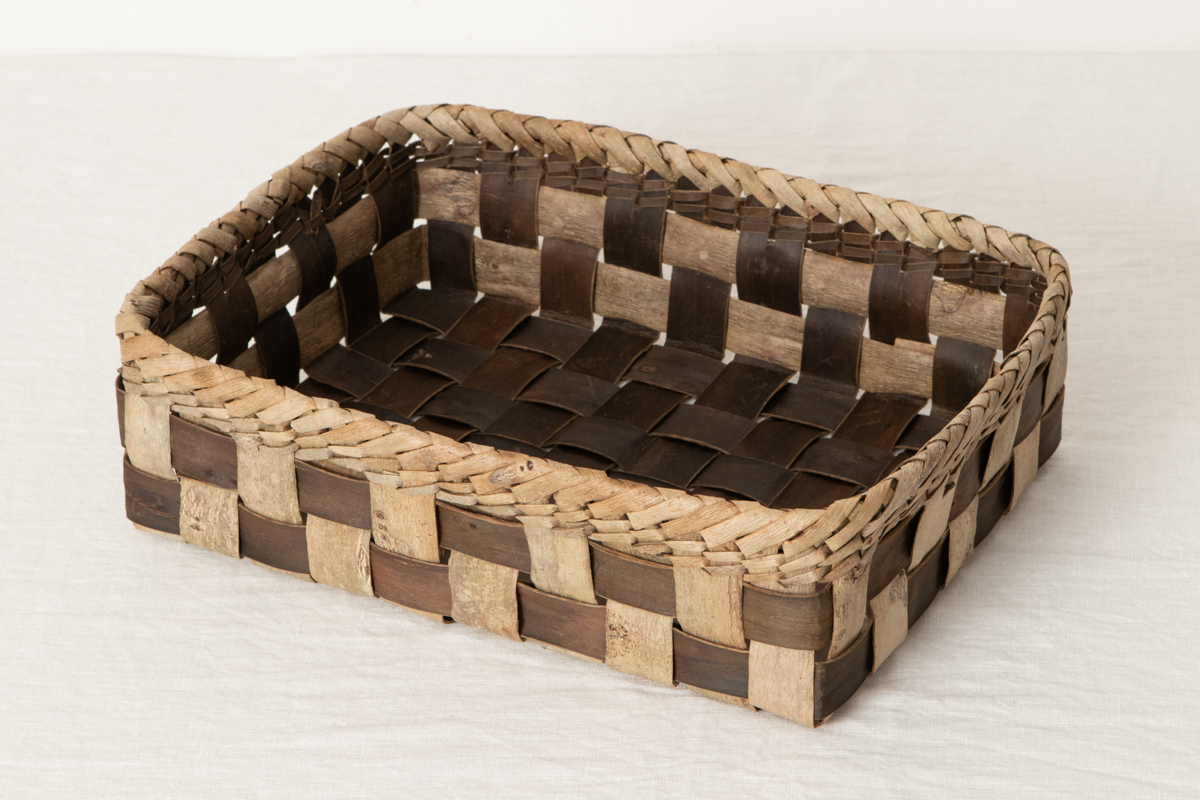
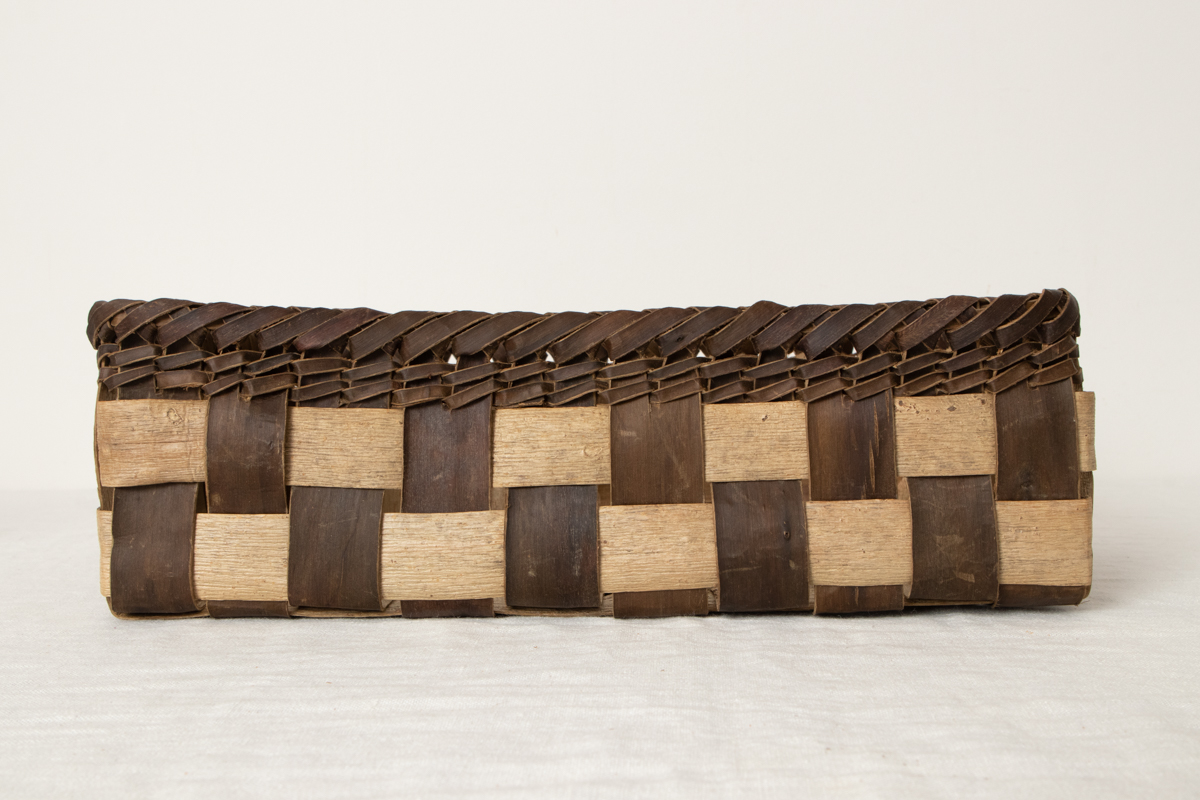
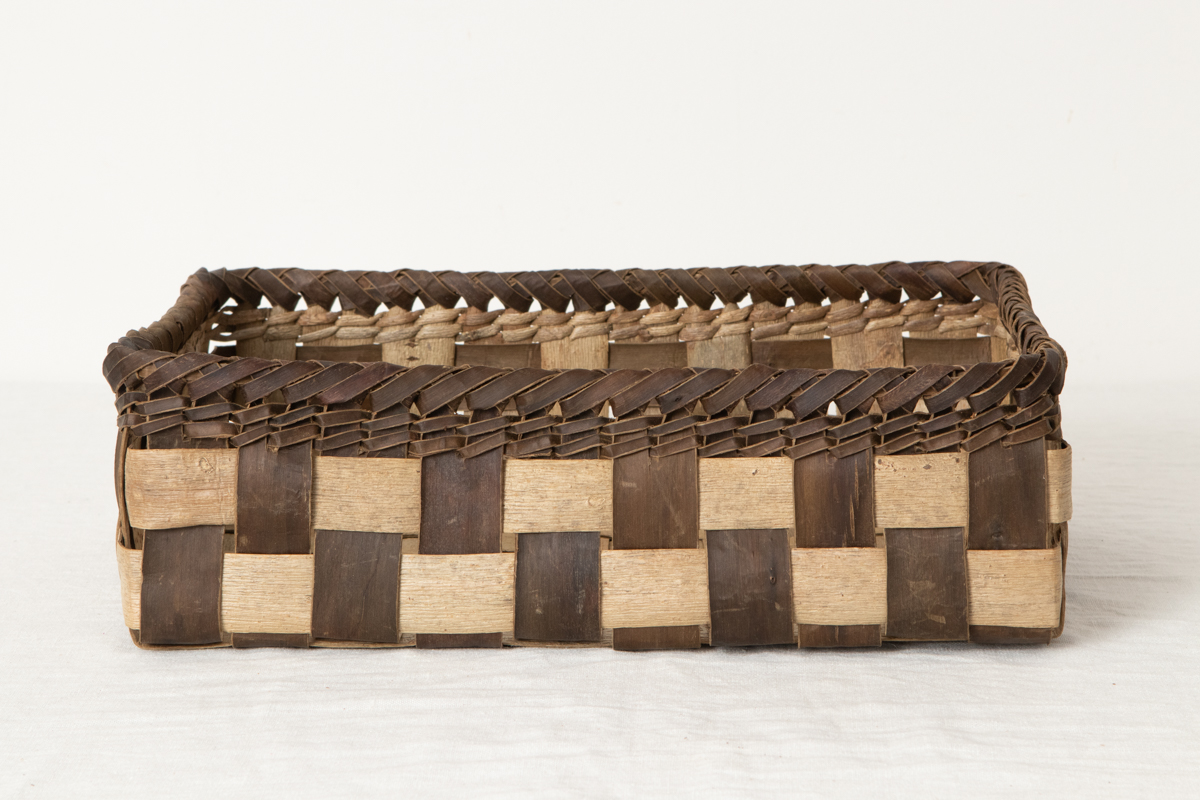
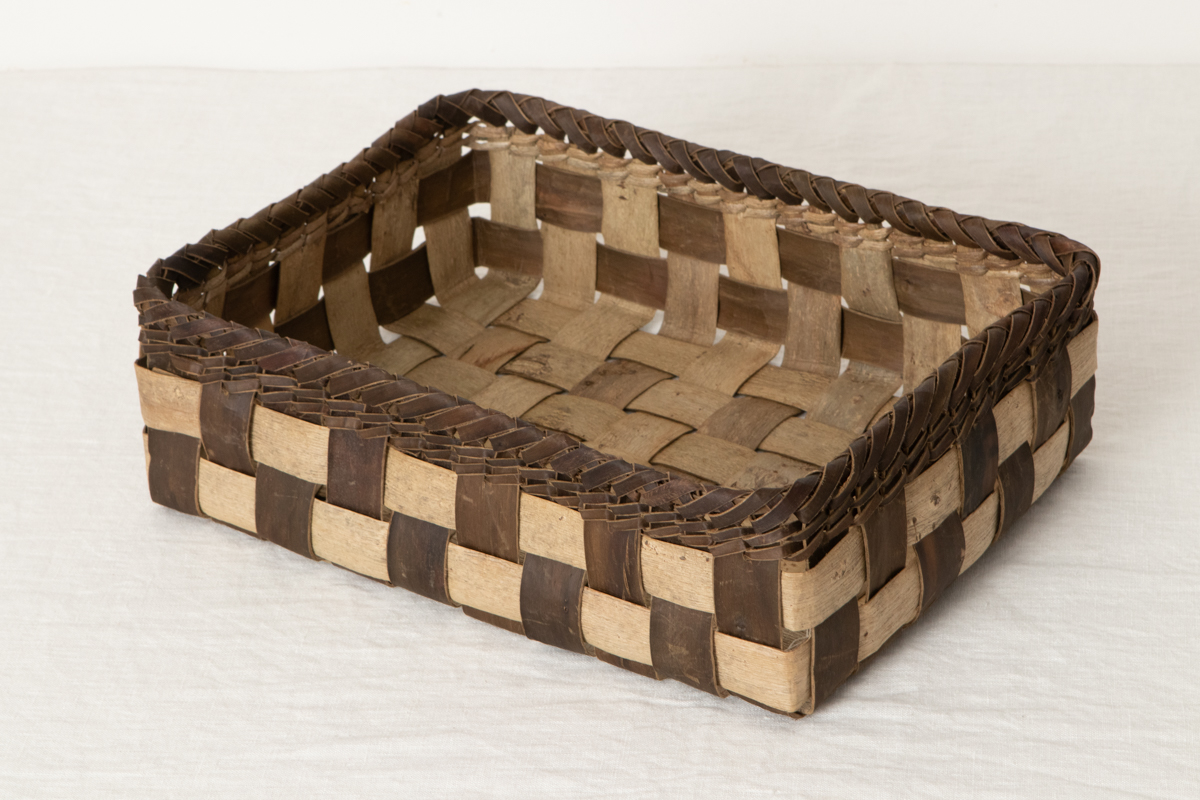
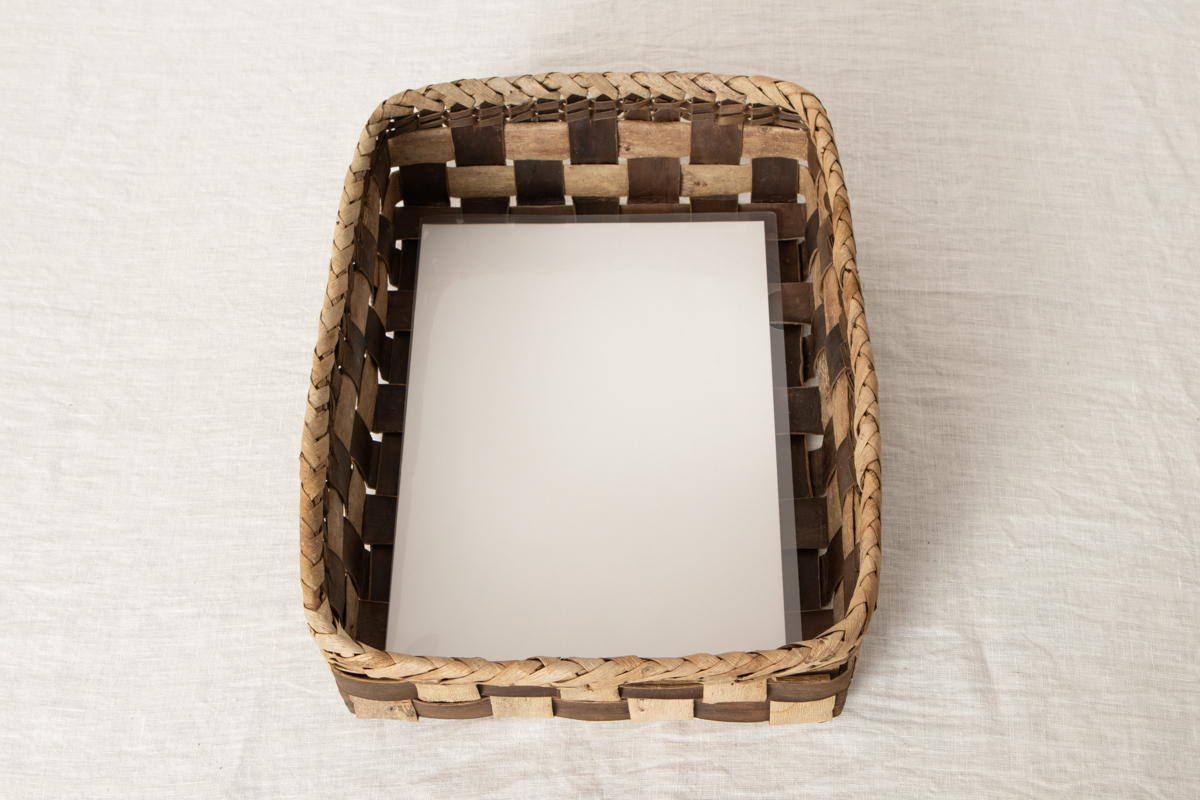
This is the light type, with the pale brown outer surface of the walnut bark used mainly on the outside of the basket.The light type uses the pale outer bark for both the rim and the single line of stitching below it.Here is a view of the rim seen from inside the basket.This is the dark type, with the deep brown inner surface of the walnut bark facing outward. The fresh cream color seen at the time of harvesting, as mentioned earlier, changes over time into this deep shade. The transformation feels almost mysterious.This is the dark type, with the deep brown inner surface of the walnut bark used mainly on the outside of the basket.The dark type uses the same dark inner bark for the rim and the stitching beneath it.Here is a view from inside the basket—the contrast between the dark brown and soft light tones is striking.This is the bottom of the dark type, where the natural texture of the bark’s surface is beautifully preserved.Here is the underside of the basket. The base is also finished in Ichimatsu-ami.The Ichimatsu-ami, woven with wide strips of walnut bark, allows you to fully appreciate the natural texture of the material.The small size is woven with narrower strips than the medium, creating a slightly different impression even with the same weave. The regular, even pattern of the weave is mesmerizing to look at—you could gaze at it for a long time without growing tired.This checker pattern is not a tightly packed weave, but slightly open, giving the basket a light and airy look.Now, let’s look at each size and tone.This is the Small-light type.It fits comfortably in both hands and has a versatile size for everyday use.The checker pattern adds a quiet accent, giving it a calm and balanced look.This is the Small-dark type.It is mainly made with the glossy dark inner bark.As each piece is handmade, slight variations of about 1–2 cm (0.39″–0.79″) may occur between the light and dark types.This is the Medium-light type.The natural character of the tree and the matte texture of the outer bark are both appealing.The medium size has a shallow form and can also be used as a tray.This is the Medium-dark type.Again, as each is handmade, slight variations of about 1–2 cm (0.39″–0.79″) may occur between the tones.Although both have the same pattern, the placement of the strips changes the appearance of the design—one of the enjoyable aspects of this weave.The medium size easily holds A4 documents, making it practical as an organizer for papers or files.
The small size works well as a basket for placing tea sets or tableware upside down to dry. It can also be used to store dry foods, canned goods, tools, or stationery.
The medium size is perfect for holding placemats, scarves, and other fabric items. It can also be placed beside a sofa or chair to keep magazines and books within easy reach.
It’s also useful for organizing documents while working from home.
Although the material has been carefully treated, if you plan to store towels or clothing, placing a piece of cloth inside will help prevent snagging.
The wide strips of walnut bark bring out the natural texture beautifully. Because the bark is thoroughly prepared, the surface feels smooth and pleasant to the touch—never rough or stiff. Its quiet, grounded presence blends naturally into any space, whether Japanese or Western.
Bring your nose close, and you can even enjoy the gentle, nutty fragrance of the walnut. Please choose your preferred tone and size from the selection.
Continuing to Create New Designs with Sawagurumi from Iwate
In this region of Iwate, blessed with abundant nature, these artisans make baskets using sawagurumi bark.
They walk through the mountains of Iwate, personally selecting and harvesting high-quality materials. The harvested materials are then carefully prepared, one by one, before weaving begins.
While bringing out the natural character of the material, they create new designs, one piece at a time.
The baskets born from their free approach to design give us something new to appreciate each time we see them and always bring us joy.
Please note: This item ships from Japan. As the buyer, you are responsible for any import duties, customs fees, or local taxes that may be charged in your country. These costs are not included in the item price or shipping cost. Please check with your local customs authority if you are unsure about any potential charges before placing your order.
This basket is woven using the bark of sawagurumi (Japanese walnut).
The bark of walnut trees is harvested at its peak from spring through the rainy season, when the material is rich with moisture.
Sawagurumi, as its name suggests, is a species of walnut that grows naturally along mountain streams and shallow valleys.
Unlike yamagurumi, which grows in the mountains, the nuts of sawagurumi are not used for food. Instead, the tree has the characteristic of letting its seeds travel downstream, carried away by the flow of nearby streams.
For basketry, young trees that are two to three years old are used.Sawagurumi grows in clusters like this, sprouting multiple stems from the base.Further up, the stems branch out in this way.Not all of the clustered stems are cut; only two or three are selected and harvested.Freshly cut stems glisten with a silvery sheen when touched by the sunlight.A small cut is made in the bark of the freshly cut stem, and the bark is peeled away from the core. This is the sawagurumi bark right after peeling. The inner surface begins as a fresh, creamy color, but over time it deepens into a rich, dark brown.The core left after peeling is returned to the mountains. After about a year, it breaks down into a soft, crumbly state, preparing to return to the soil.This bark has been left for some time after peeling. The inner layer visible on the surface has begun to take on a warm brown tone, and its color will continue to deepen as it ages.
Here, we introduce four variations of a storage basket made from this walnut bark and woven in a checkered pattern: Small-light, Small-dark, Medium-light, and Medium-dark.
This is the light type, with the pale brown outer surface of the walnut bark used mainly on the outside of the basket.The light type uses the pale outer bark for both the rim and the single line of stitching below it.Here is a view of the rim seen from inside the basket.This is the dark type, with the deep brown inner surface of the walnut bark facing outward. The fresh cream color seen at the time of harvesting, as mentioned earlier, changes over time into this deep shade. The transformation feels almost mysterious.This is the dark type, with the deep brown inner surface of the walnut bark used mainly on the outside of the basket.The dark type uses the same dark inner bark for the rim and the stitching beneath it.Here is a view from inside the basket—the contrast between the dark brown and soft light tones is striking.This is the bottom of the dark type, where the natural texture of the bark’s surface is beautifully preserved.Here is the underside of the basket. The base is also finished in Ichimatsu-ami.The Ichimatsu-ami, woven with wide strips of walnut bark, allows you to fully appreciate the natural texture of the material.The small size is woven with narrower strips than the medium, creating a slightly different impression even with the same weave. The regular, even pattern of the weave is mesmerizing to look at—you could gaze at it for a long time without growing tired.This checker pattern is not a tightly packed weave, but slightly open, giving the basket a light and airy look.Now, let’s look at each size and tone.This is the Small-light type.It fits comfortably in both hands and has a versatile size for everyday use.The checker pattern adds a quiet accent, giving it a calm and balanced look.This is the Small-dark type.It is mainly made with the glossy dark inner bark.As each piece is handmade, slight variations of about 1–2 cm (0.39″–0.79″) may occur between the light and dark types.This is the Medium-light type.The natural character of the tree and the matte texture of the outer bark are both appealing.The medium size has a shallow form and can also be used as a tray.This is the Medium-dark type.Again, as each is handmade, slight variations of about 1–2 cm (0.39″–0.79″) may occur between the tones.Although both have the same pattern, the placement of the strips changes the appearance of the design—one of the enjoyable aspects of this weave.The medium size easily holds A4 documents, making it practical as an organizer for papers or files.
The small size works well as a basket for placing tea sets or tableware upside down to dry. It can also be used to store dry foods, canned goods, tools, or stationery.
The medium size is perfect for holding placemats, scarves, and other fabric items. It can also be placed beside a sofa or chair to keep magazines and books within easy reach.
It’s also useful for organizing documents while working from home.
Although the material has been carefully treated, if you plan to store towels or clothing, placing a piece of cloth inside will help prevent snagging.
The wide strips of walnut bark bring out the natural texture beautifully. Because the bark is thoroughly prepared, the surface feels smooth and pleasant to the touch—never rough or stiff. Its quiet, grounded presence blends naturally into any space, whether Japanese or Western.
Bring your nose close, and you can even enjoy the gentle, nutty fragrance of the walnut. Please choose your preferred tone and size from the selection.
Continuing to Create New Designs with Sawagurumi from Iwate
In this region of Iwate, blessed with abundant nature, these artisans make baskets using sawagurumi bark.
They walk through the mountains of Iwate, personally selecting and harvesting high-quality materials. The harvested materials are then carefully prepared, one by one, before weaving begins.
While bringing out the natural character of the material, they create new designs, one piece at a time.
The baskets born from their free approach to design give us something new to appreciate each time we see them and always bring us joy.
Please note: This item ships from Japan. As the buyer, you are responsible for any import duties, customs fees, or local taxes that may be charged in your country. These costs are not included in the item price or shipping cost. Please check with your local customs authority if you are unsure about any potential charges before placing your order.
This basket is woven using the bark of sawagurumi (Japanese walnut).
The bark of walnut trees is harvested at its peak from spring through the rainy season, when the material is rich with moisture.
Sawagurumi, as its name suggests, is a species of walnut that grows naturally along mountain streams and shallow valleys.
Unlike yamagurumi, which grows in the mountains, the nuts of sawagurumi are not used for food. Instead, the tree has the characteristic of letting its seeds travel downstream, carried away by the flow of nearby streams.
For basketry, young trees that are two to three years old are used.Sawagurumi grows in clusters like this, sprouting multiple stems from the base.Further up, the stems branch out in this way.Not all of the clustered stems are cut; only two or three are selected and harvested.Freshly cut stems glisten with a silvery sheen when touched by the sunlight.A small cut is made in the bark of the freshly cut stem, and the bark is peeled away from the core. This is the sawagurumi bark right after peeling. The inner surface begins as a fresh, creamy color, but over time it deepens into a rich, dark brown.The core left after peeling is returned to the mountains. After about a year, it breaks down into a soft, crumbly state, preparing to return to the soil.This bark has been left for some time after peeling. The inner layer visible on the surface has begun to take on a warm brown tone, and its color will continue to deepen as it ages.
Here, we introduce four variations of a storage basket made from this walnut bark and woven in a checkered pattern: Small-light, Small-dark, Medium-light, and Medium-dark.
This is the light type, with the pale brown outer surface of the walnut bark used mainly on the outside of the basket.The light type uses the pale outer bark for both the rim and the single line of stitching below it.Here is a view of the rim seen from inside the basket.This is the dark type, with the deep brown inner surface of the walnut bark facing outward. The fresh cream color seen at the time of harvesting, as mentioned earlier, changes over time into this deep shade. The transformation feels almost mysterious.This is the dark type, with the deep brown inner surface of the walnut bark used mainly on the outside of the basket.The dark type uses the same dark inner bark for the rim and the stitching beneath it.Here is a view from inside the basket—the contrast between the dark brown and soft light tones is striking.This is the bottom of the dark type, where the natural texture of the bark’s surface is beautifully preserved.Here is the underside of the basket. The base is also finished in Ichimatsu-ami.The Ichimatsu-ami, woven with wide strips of walnut bark, allows you to fully appreciate the natural texture of the material.The small size is woven with narrower strips than the medium, creating a slightly different impression even with the same weave. The regular, even pattern of the weave is mesmerizing to look at—you could gaze at it for a long time without growing tired.This checker pattern is not a tightly packed weave, but slightly open, giving the basket a light and airy look.Now, let’s look at each size and tone.This is the Small-light type.It fits comfortably in both hands and has a versatile size for everyday use.The checker pattern adds a quiet accent, giving it a calm and balanced look.This is the Small-dark type.It is mainly made with the glossy dark inner bark.As each piece is handmade, slight variations of about 1–2 cm (0.39″–0.79″) may occur between the light and dark types.This is the Medium-light type.The natural character of the tree and the matte texture of the outer bark are both appealing.The medium size has a shallow form and can also be used as a tray.This is the Medium-dark type.Again, as each is handmade, slight variations of about 1–2 cm (0.39″–0.79″) may occur between the tones.Although both have the same pattern, the placement of the strips changes the appearance of the design—one of the enjoyable aspects of this weave.The medium size easily holds A4 documents, making it practical as an organizer for papers or files.
The small size works well as a basket for placing tea sets or tableware upside down to dry. It can also be used to store dry foods, canned goods, tools, or stationery.
The medium size is perfect for holding placemats, scarves, and other fabric items. It can also be placed beside a sofa or chair to keep magazines and books within easy reach.
It’s also useful for organizing documents while working from home.
Although the material has been carefully treated, if you plan to store towels or clothing, placing a piece of cloth inside will help prevent snagging.
The wide strips of walnut bark bring out the natural texture beautifully. Because the bark is thoroughly prepared, the surface feels smooth and pleasant to the touch—never rough or stiff. Its quiet, grounded presence blends naturally into any space, whether Japanese or Western.
Bring your nose close, and you can even enjoy the gentle, nutty fragrance of the walnut. Please choose your preferred tone and size from the selection.
Continuing to Create New Designs with Sawagurumi from Iwate
In this region of Iwate, blessed with abundant nature, these artisans make baskets using sawagurumi bark.
They walk through the mountains of Iwate, personally selecting and harvesting high-quality materials. The harvested materials are then carefully prepared, one by one, before weaving begins.
While bringing out the natural character of the material, they create new designs, one piece at a time.
The baskets born from their free approach to design give us something new to appreciate each time we see them and always bring us joy.
Please note: This item ships from Japan. As the buyer, you are responsible for any import duties, customs fees, or local taxes that may be charged in your country. These costs are not included in the item price or shipping cost. Please check with your local customs authority if you are unsure about any potential charges before placing your order.