The Bōsō Peninsula in Chiba Prefecture is rich in nature and surrounded by the sea. In its central area, bamboo grows in abundance, and bamboo shoots are actively harvested.
Locals have long made full use of the bamboo forests—selling bamboo shoots in spring and summer, bamboo material in autumn, and crafting brooms, baskets, and sieves in winter.
Bamboo craft from Chiba, made from madake bamboo, values practicality and simplicity, with designs that are efficient and free of waste—an embodiment of pure bamboo craftsmanship.
On this page, we introduce a drying basket that is useful for drying plums, fruits, vegetables, fish, and more.
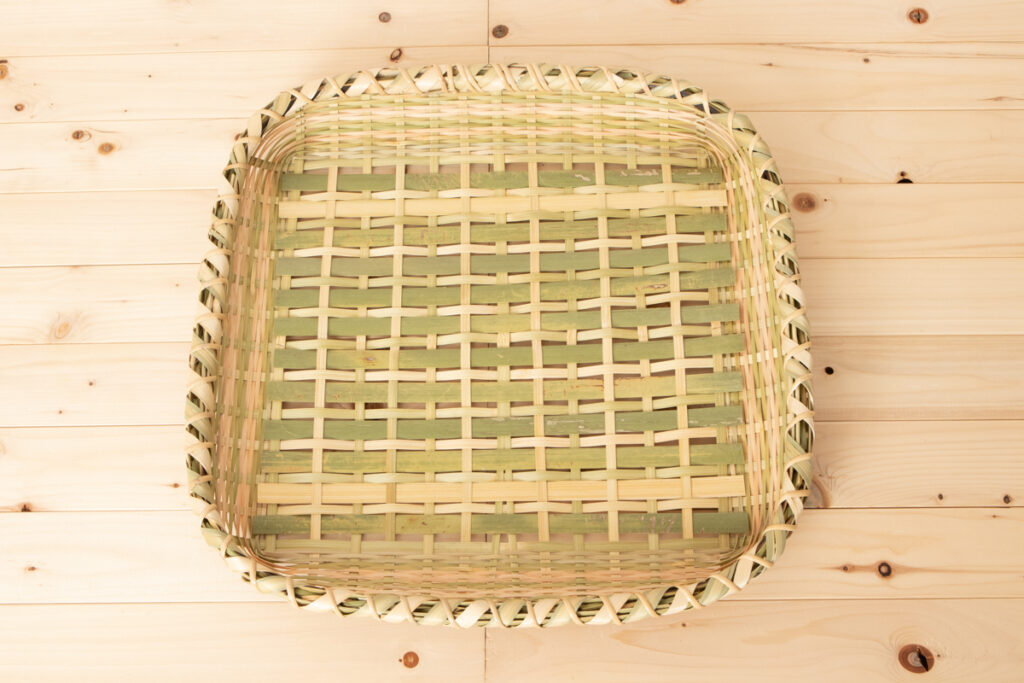
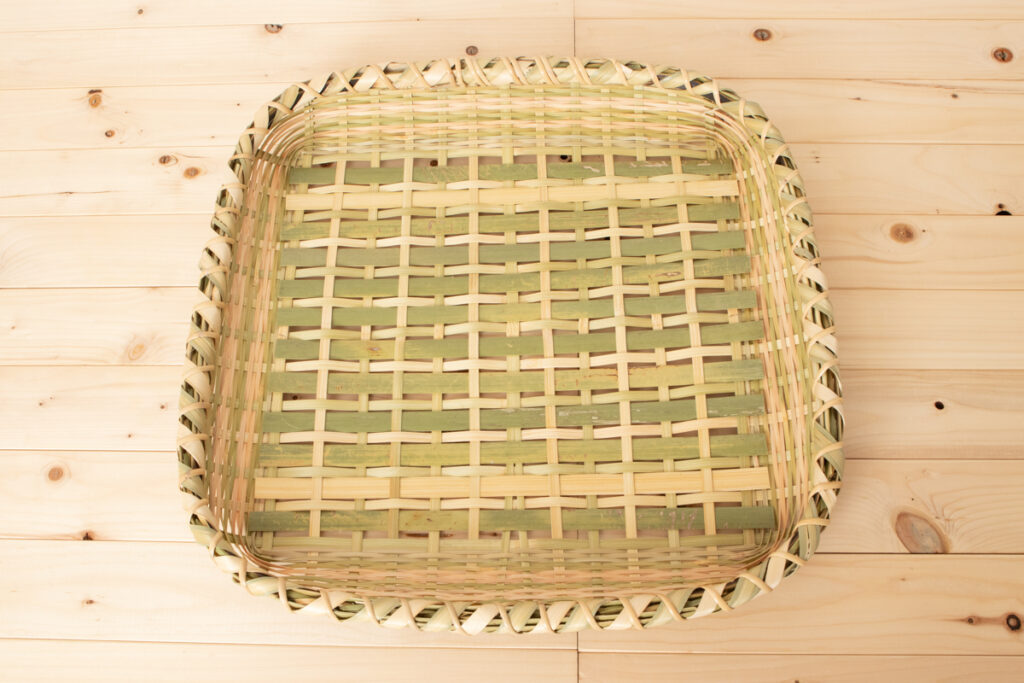
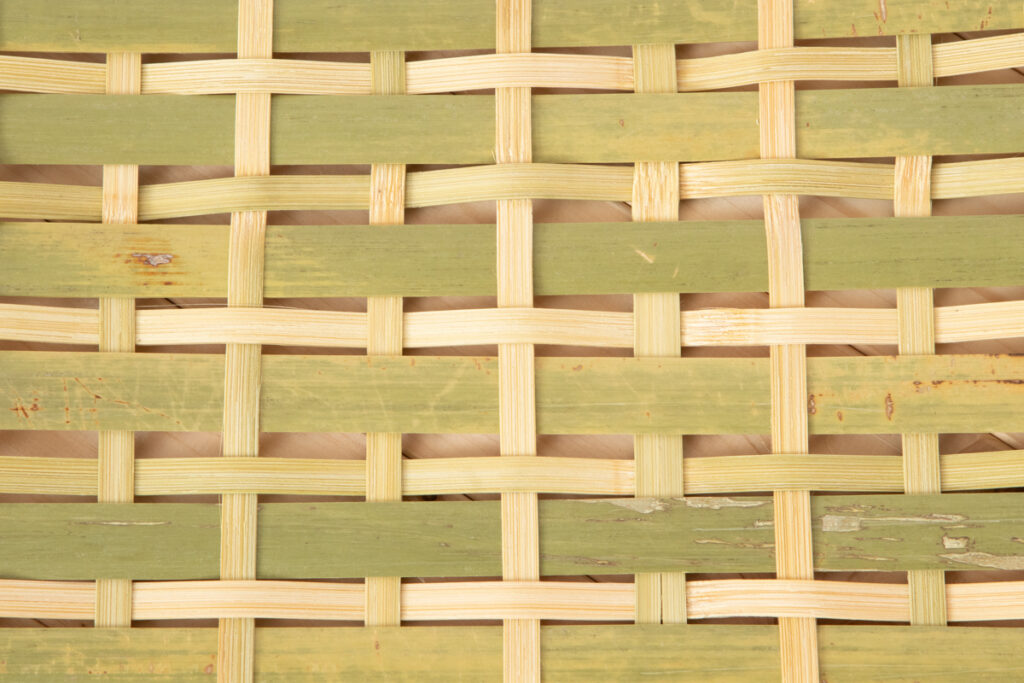
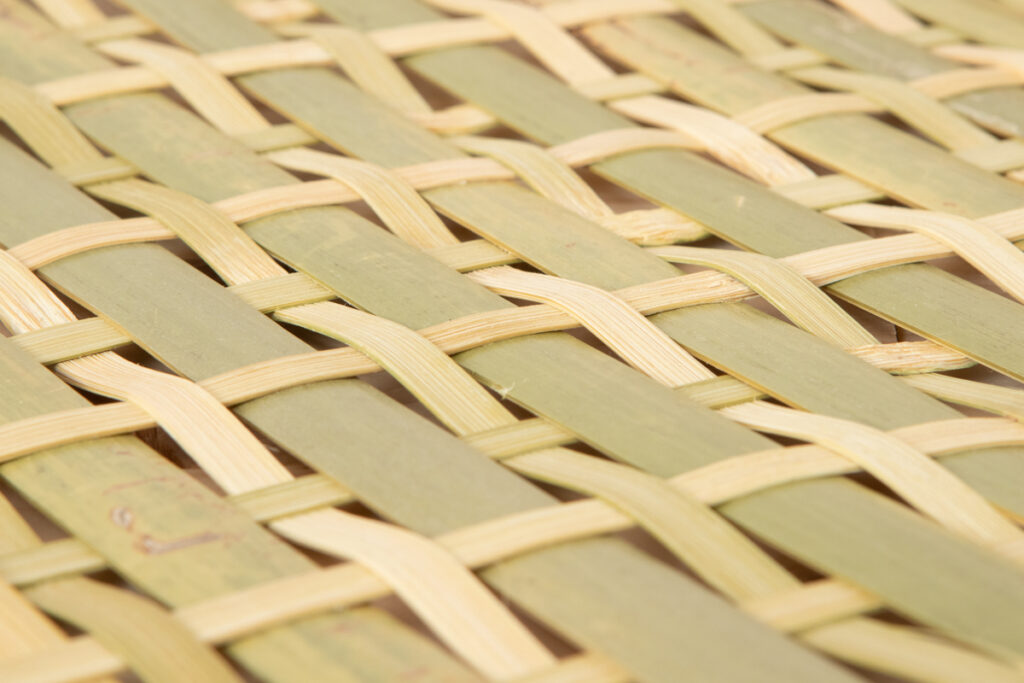
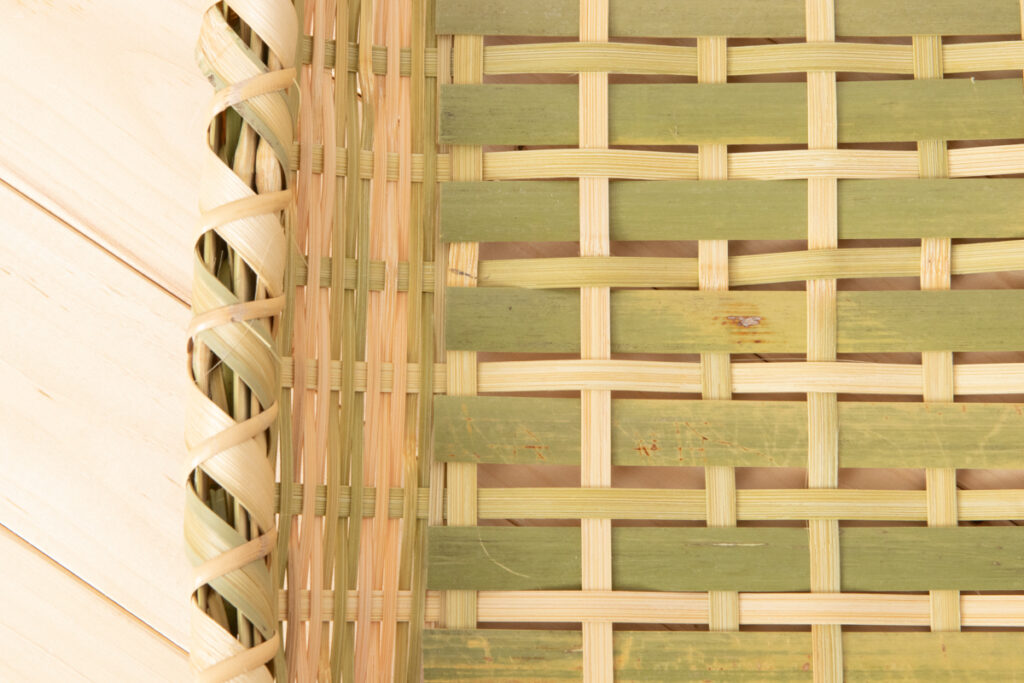
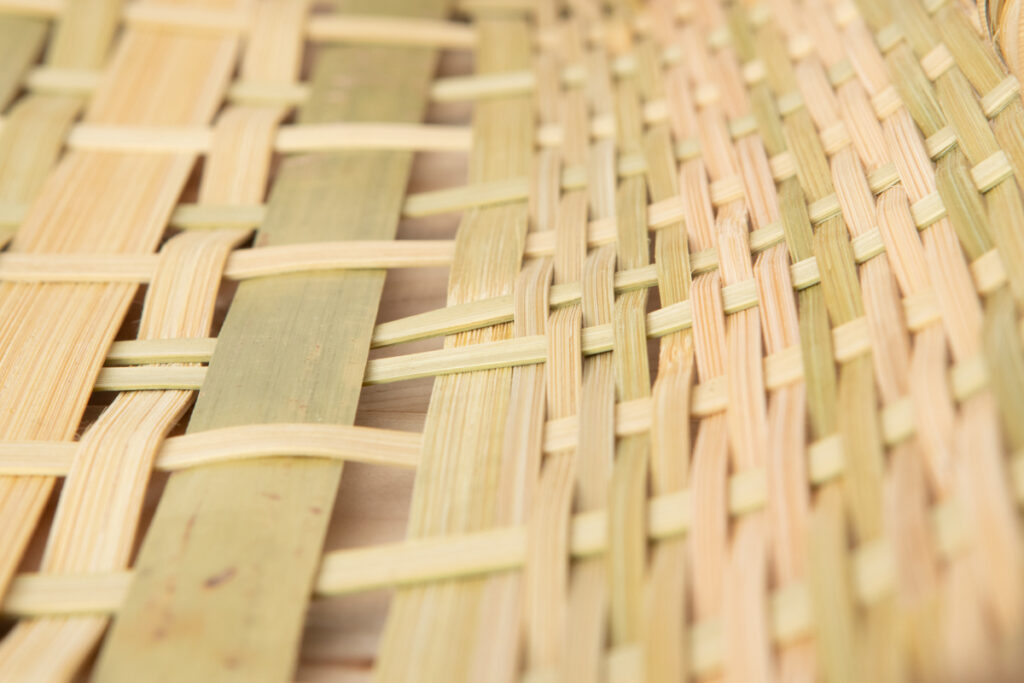
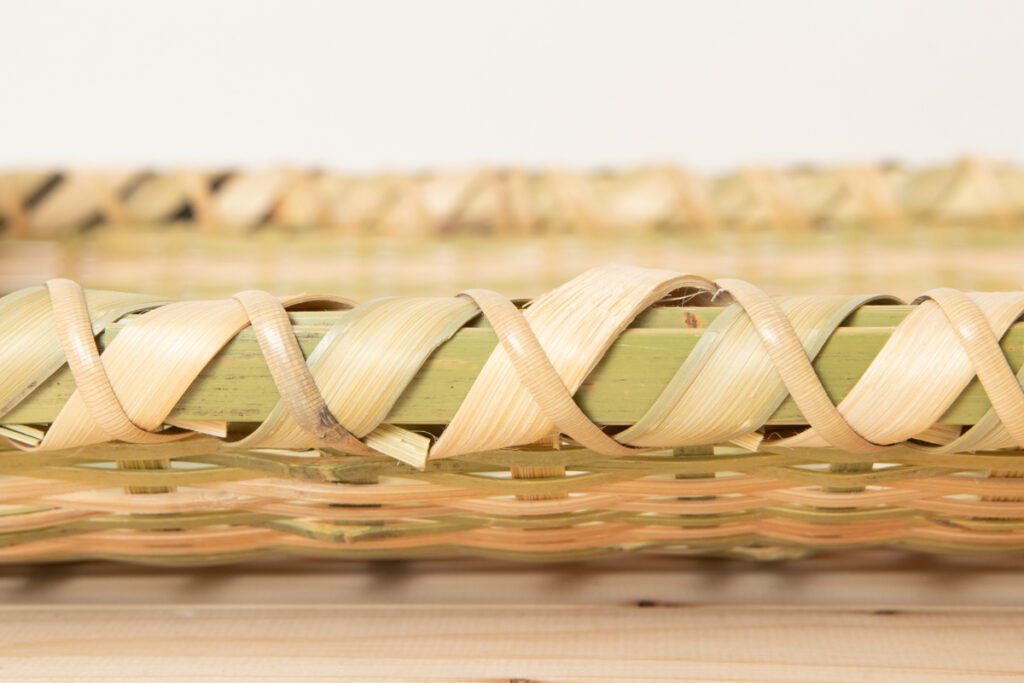
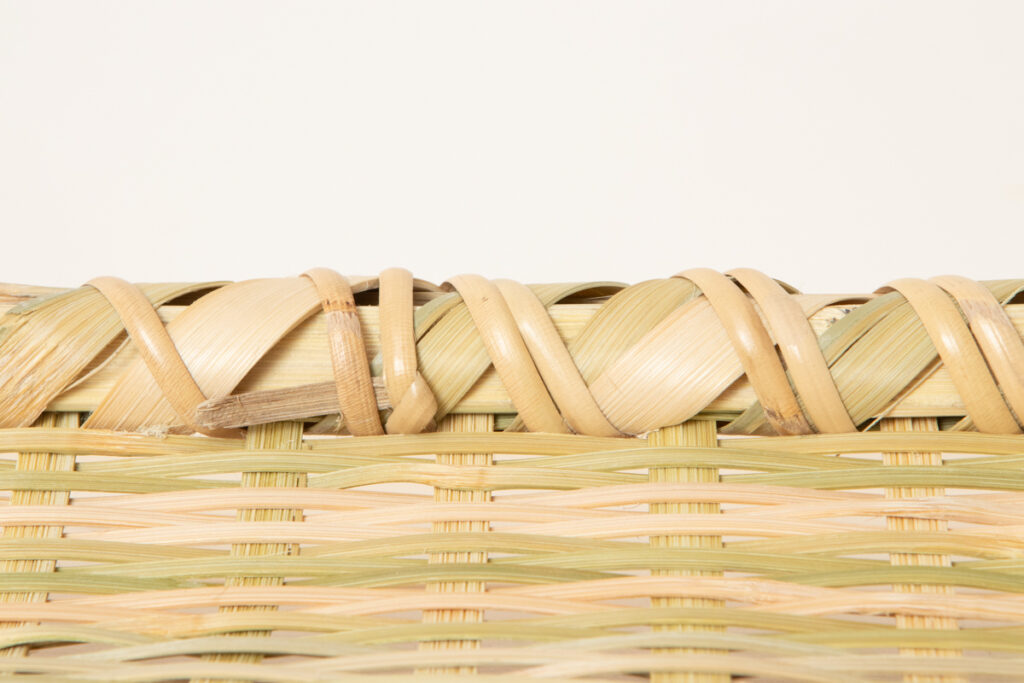
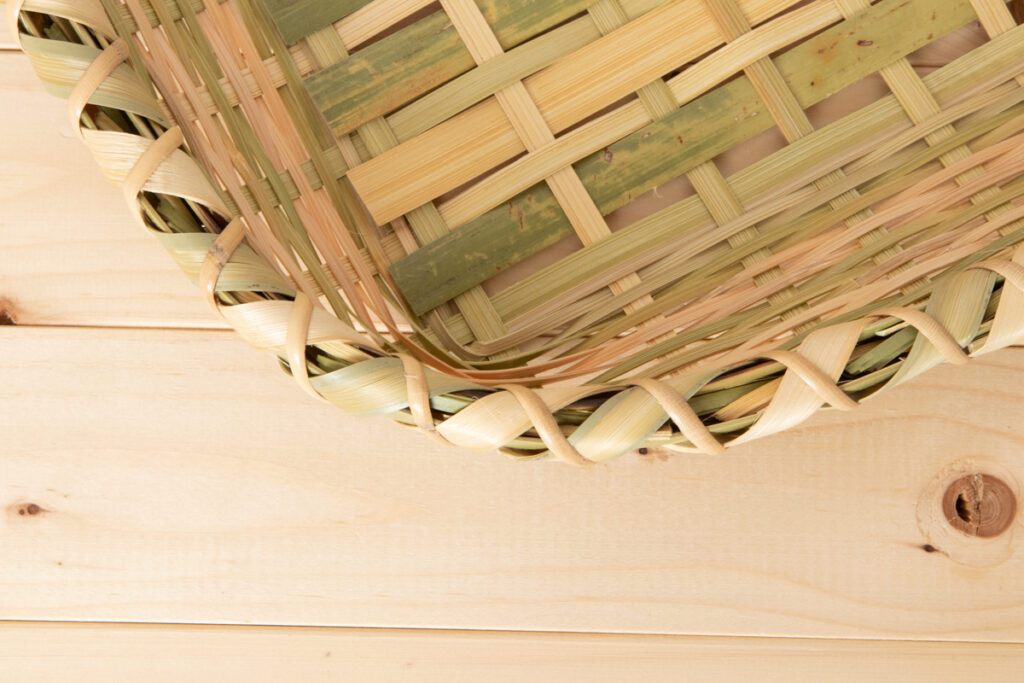
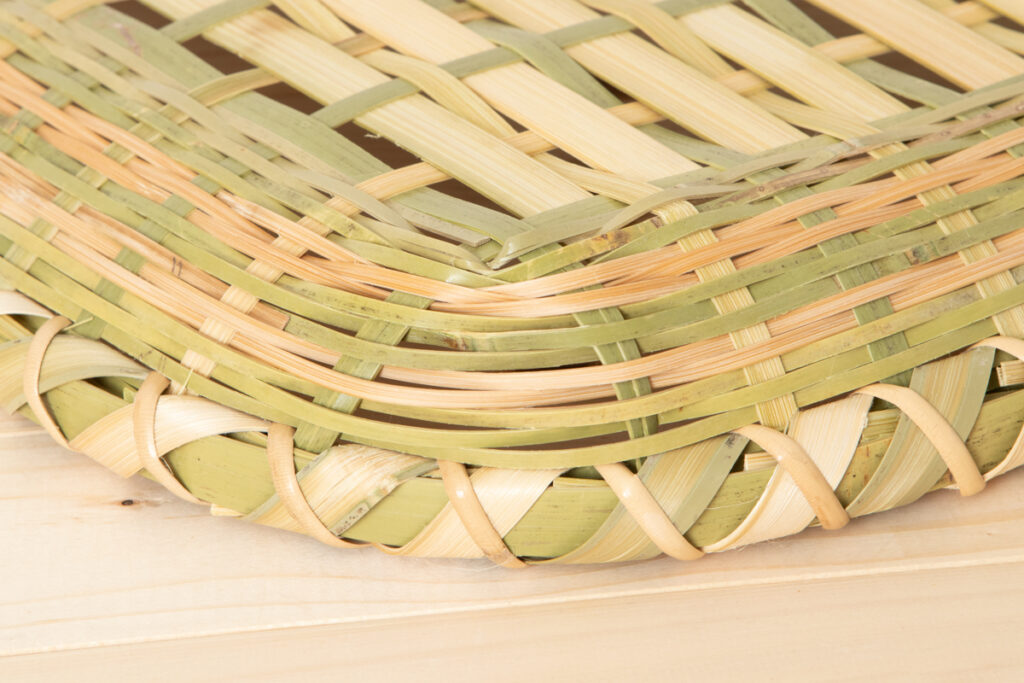
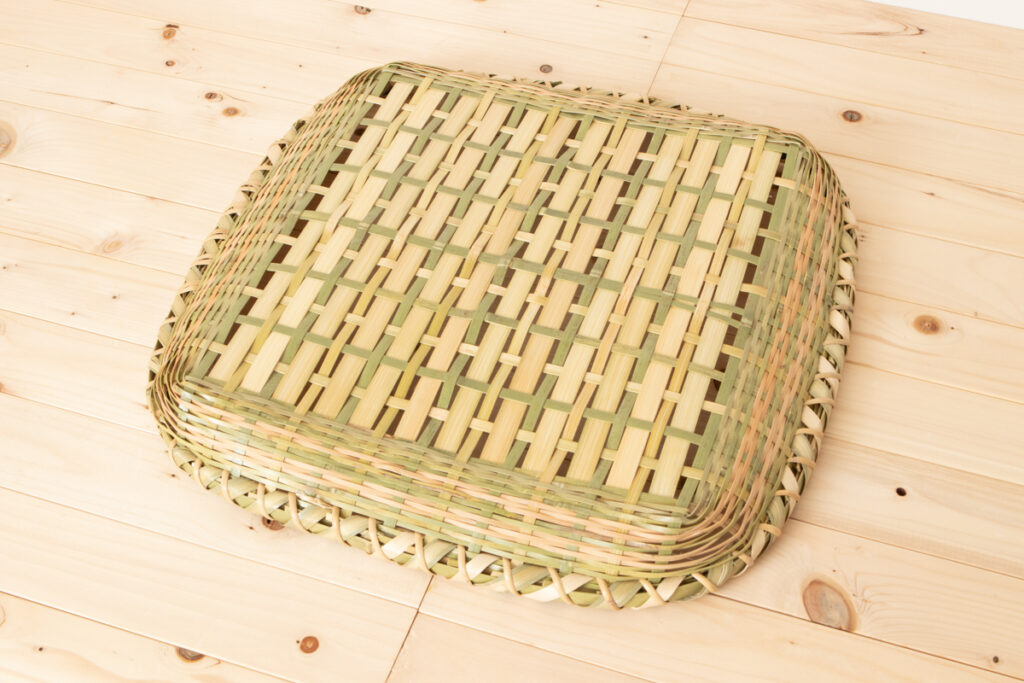
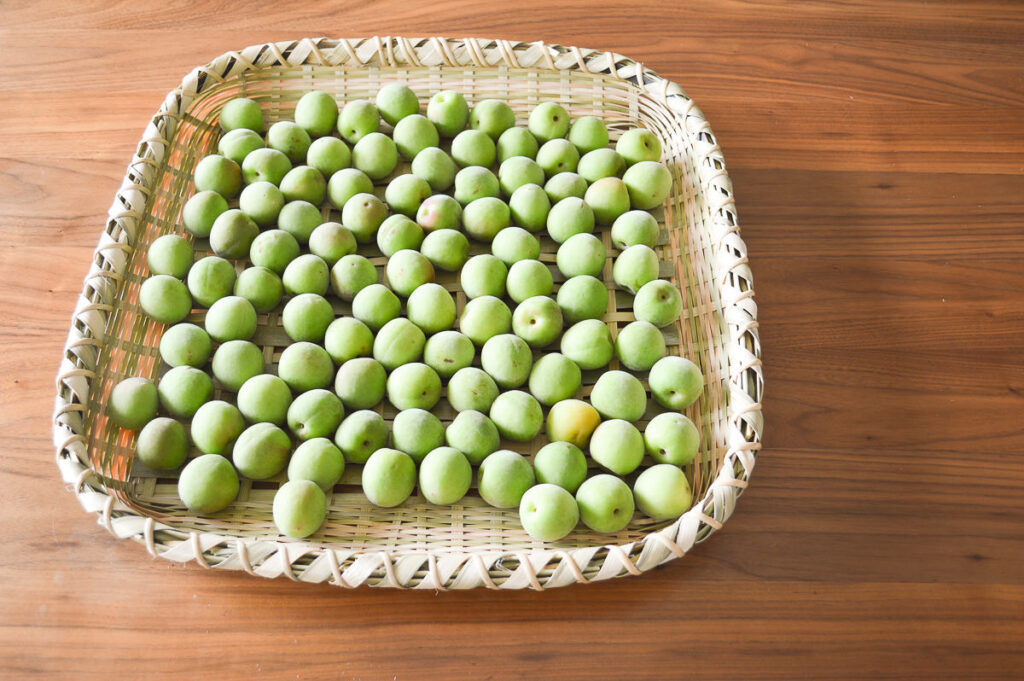
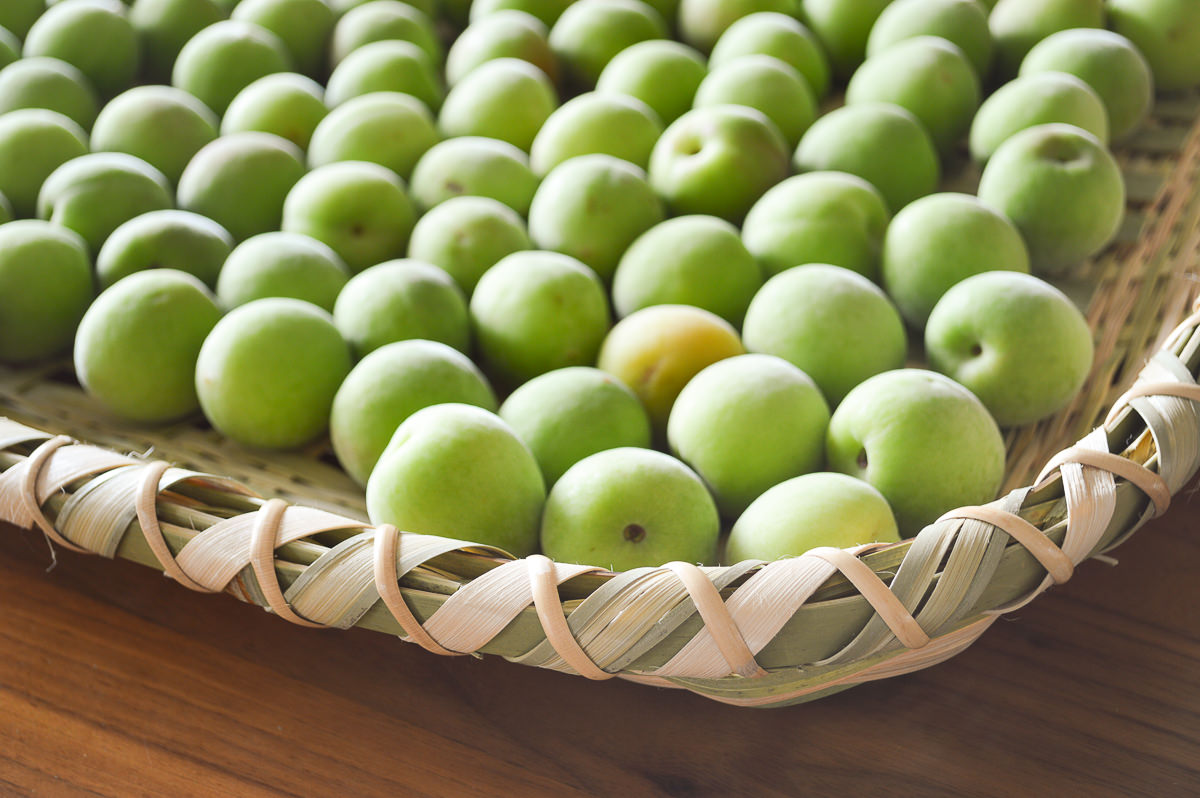
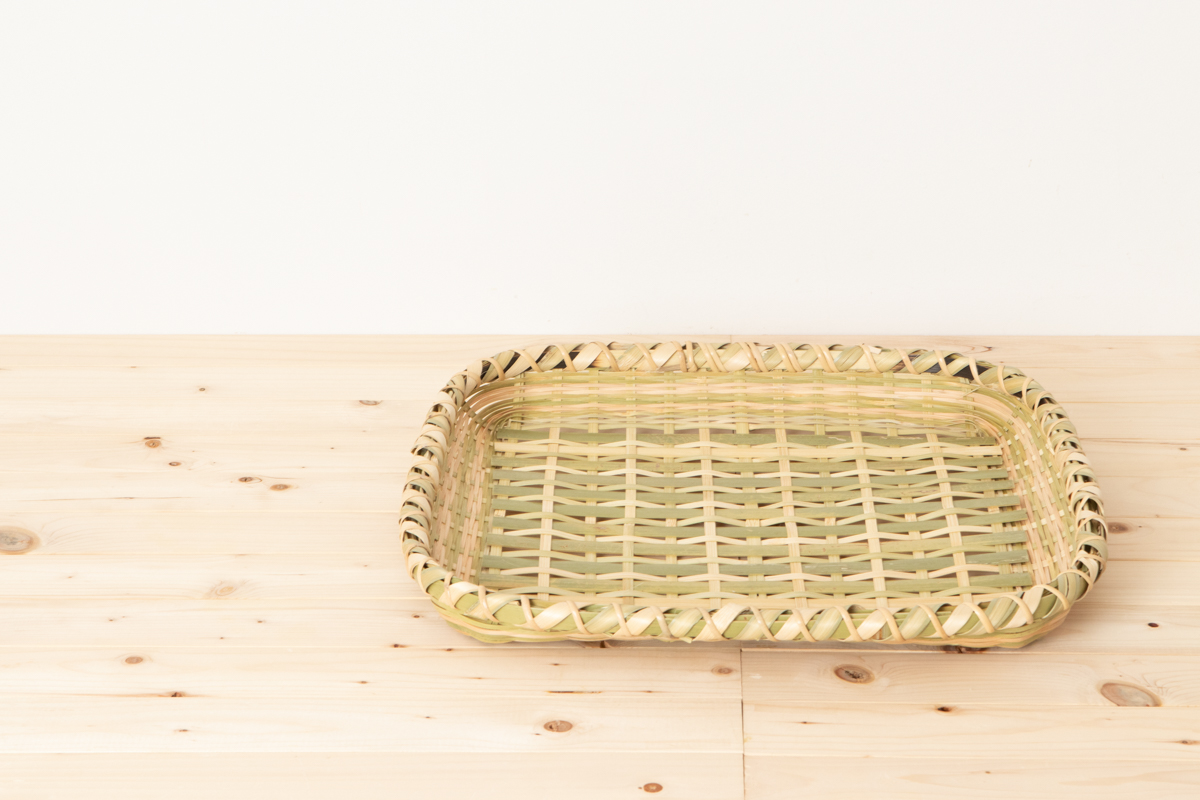
The surface of the basket is woven using the “ikada-zoko-ami” technique.This is the same structure used for the bottoms of sturdy carrying baskets.The technique of alternately weaving strips from the green outer skin of madake bamboo and its white inner layer is characteristic of Chiba’s madake bamboo craft.The contrast between the characteristic green of fresh bamboo and the white inner layer is striking.The colors gradually change over time, but the gentle contrast between the outer skin and inner layer remains.The rim is carefully reinforced. Thin strips of bamboo are tightly wound around a thick bamboo core, then finished with rattan wrapped in the opposite direction.If the rim were made only from bamboo, dryness and temperature changes could cause cracks.Wrapping it with flexible rattan prevents cracking, strengthens the rim, and gives it a smooth feel when held.Because the rim bears the most stress, special care is taken in finishing it to ensure durability.At the corners of the rim, you may notice slight black burn marks—these are from the fire used to bend the bamboo and do not affect use.Here is the underside of the basket. The contrast between the bamboo surfaces is also beautifully visible.This shows the basket holding about 3 kg (6.6 lb) of green plums.
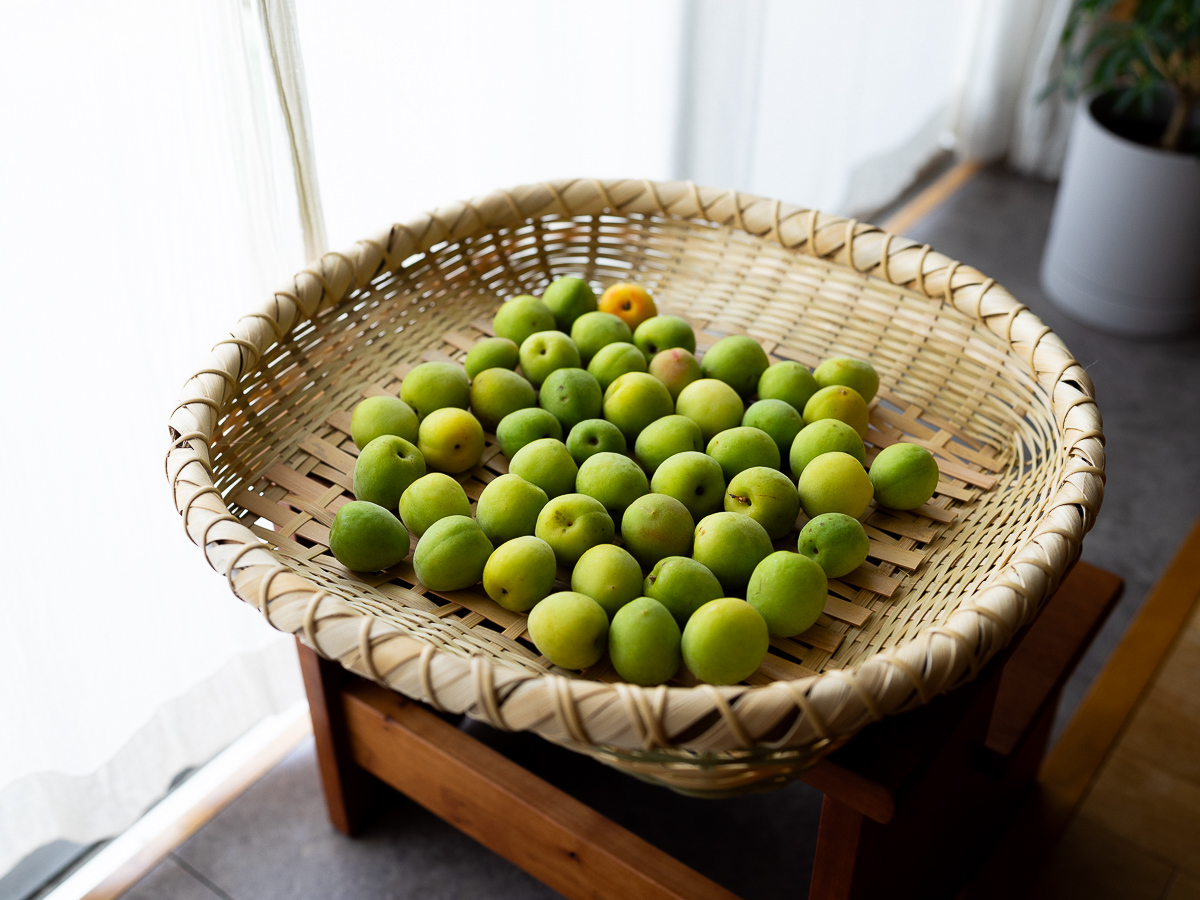
This basket is often chosen for drying plums when making umeboshi each year. It can also be used for drying fruits or vegetables such as tomatoes, carrots, daikon, or mushrooms.
Using dried vegetables, with their concentrated flavor, to make soup stock or simmered dishes seems like a nice way to enjoy the flavor of vegetables.
The basket surface is nearly flat, allowing sunlight and air to reach evenly across the contents. Enjoy the seasonal art of drying foods with this bamboo basket.
Please note: This item ships from Japan. As the buyer, you are responsible for any import duties, customs fees, or local taxes that may be charged in your country. These costs are not included in the item price or shipping cost. Please check with your local customs authority if you are unsure about any potential charges before placing your order.
The Bōsō Peninsula in Chiba Prefecture is rich in nature and surrounded by the sea. In its central area, bamboo grows in abundance, and bamboo shoots are actively harvested.
Locals have long made full use of the bamboo forests—selling bamboo shoots in spring and summer, bamboo material in autumn, and crafting brooms, baskets, and sieves in winter.
Bamboo craft from Chiba, made from madake bamboo, values practicality and simplicity, with designs that are efficient and free of waste—an embodiment of pure bamboo craftsmanship.
On this page, we introduce a drying basket that is useful for drying plums, fruits, vegetables, fish, and more.
The surface of the basket is woven using the “ikada-zoko-ami” technique.This is the same structure used for the bottoms of sturdy carrying baskets.The technique of alternately weaving strips from the green outer skin of madake bamboo and its white inner layer is characteristic of Chiba’s madake bamboo craft.The contrast between the characteristic green of fresh bamboo and the white inner layer is striking.The colors gradually change over time, but the gentle contrast between the outer skin and inner layer remains.The rim is carefully reinforced. Thin strips of bamboo are tightly wound around a thick bamboo core, then finished with rattan wrapped in the opposite direction.If the rim were made only from bamboo, dryness and temperature changes could cause cracks.Wrapping it with flexible rattan prevents cracking, strengthens the rim, and gives it a smooth feel when held.Because the rim bears the most stress, special care is taken in finishing it to ensure durability.At the corners of the rim, you may notice slight black burn marks—these are from the fire used to bend the bamboo and do not affect use.Here is the underside of the basket. The contrast between the bamboo surfaces is also beautifully visible.This shows the basket holding about 3 kg (6.6 lb) of green plums.
This basket is often chosen for drying plums when making umeboshi each year. It can also be used for drying fruits or vegetables such as tomatoes, carrots, daikon, or mushrooms.
Using dried vegetables, with their concentrated flavor, to make soup stock or simmered dishes seems like a nice way to enjoy the flavor of vegetables.
The basket surface is nearly flat, allowing sunlight and air to reach evenly across the contents. Enjoy the seasonal art of drying foods with this bamboo basket.
Please note: This item ships from Japan. As the buyer, you are responsible for any import duties, customs fees, or local taxes that may be charged in your country. These costs are not included in the item price or shipping cost. Please check with your local customs authority if you are unsure about any potential charges before placing your order.
The Bōsō Peninsula in Chiba Prefecture is rich in nature and surrounded by the sea. In its central area, bamboo grows in abundance, and bamboo shoots are actively harvested.
Locals have long made full use of the bamboo forests—selling bamboo shoots in spring and summer, bamboo material in autumn, and crafting brooms, baskets, and sieves in winter.
Bamboo craft from Chiba, made from madake bamboo, values practicality and simplicity, with designs that are efficient and free of waste—an embodiment of pure bamboo craftsmanship.
On this page, we introduce a drying basket that is useful for drying plums, fruits, vegetables, fish, and more.
The surface of the basket is woven using the “ikada-zoko-ami” technique.This is the same structure used for the bottoms of sturdy carrying baskets.The technique of alternately weaving strips from the green outer skin of madake bamboo and its white inner layer is characteristic of Chiba’s madake bamboo craft.The contrast between the characteristic green of fresh bamboo and the white inner layer is striking.The colors gradually change over time, but the gentle contrast between the outer skin and inner layer remains.The rim is carefully reinforced. Thin strips of bamboo are tightly wound around a thick bamboo core, then finished with rattan wrapped in the opposite direction.If the rim were made only from bamboo, dryness and temperature changes could cause cracks.Wrapping it with flexible rattan prevents cracking, strengthens the rim, and gives it a smooth feel when held.Because the rim bears the most stress, special care is taken in finishing it to ensure durability.At the corners of the rim, you may notice slight black burn marks—these are from the fire used to bend the bamboo and do not affect use.Here is the underside of the basket. The contrast between the bamboo surfaces is also beautifully visible.This shows the basket holding about 3 kg (6.6 lb) of green plums.
This basket is often chosen for drying plums when making umeboshi each year. It can also be used for drying fruits or vegetables such as tomatoes, carrots, daikon, or mushrooms.
Using dried vegetables, with their concentrated flavor, to make soup stock or simmered dishes seems like a nice way to enjoy the flavor of vegetables.
The basket surface is nearly flat, allowing sunlight and air to reach evenly across the contents. Enjoy the seasonal art of drying foods with this bamboo basket.
Please note: This item ships from Japan. As the buyer, you are responsible for any import duties, customs fees, or local taxes that may be charged in your country. These costs are not included in the item price or shipping cost. Please check with your local customs authority if you are unsure about any potential charges before placing your order.